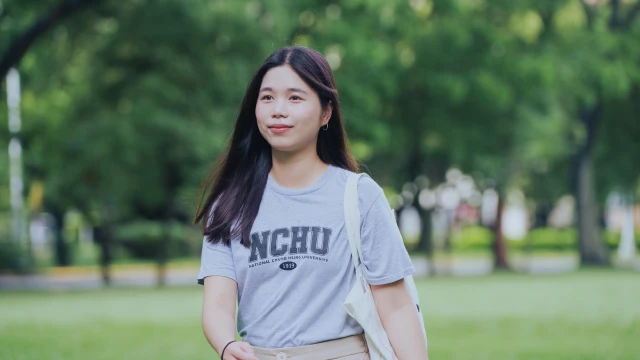
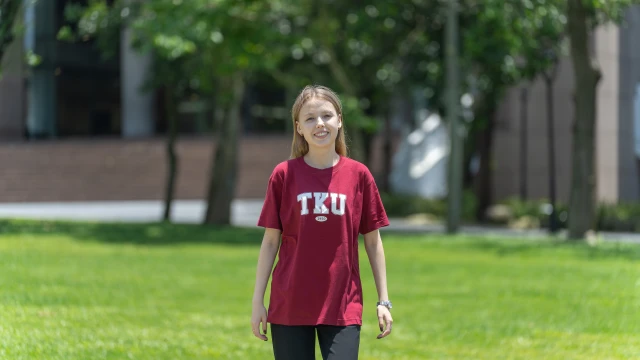
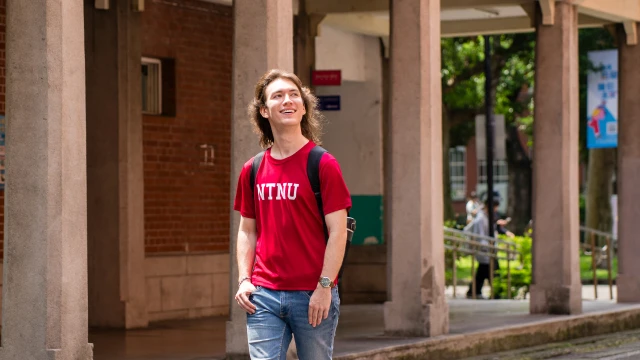
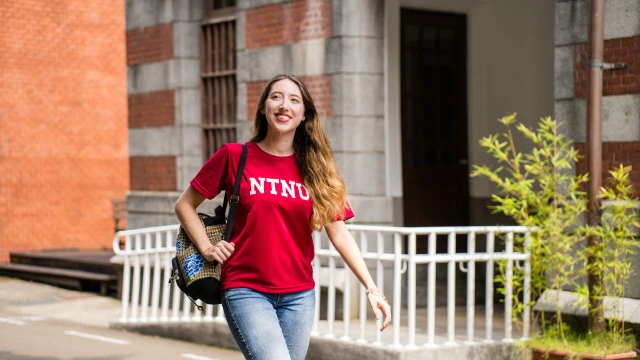
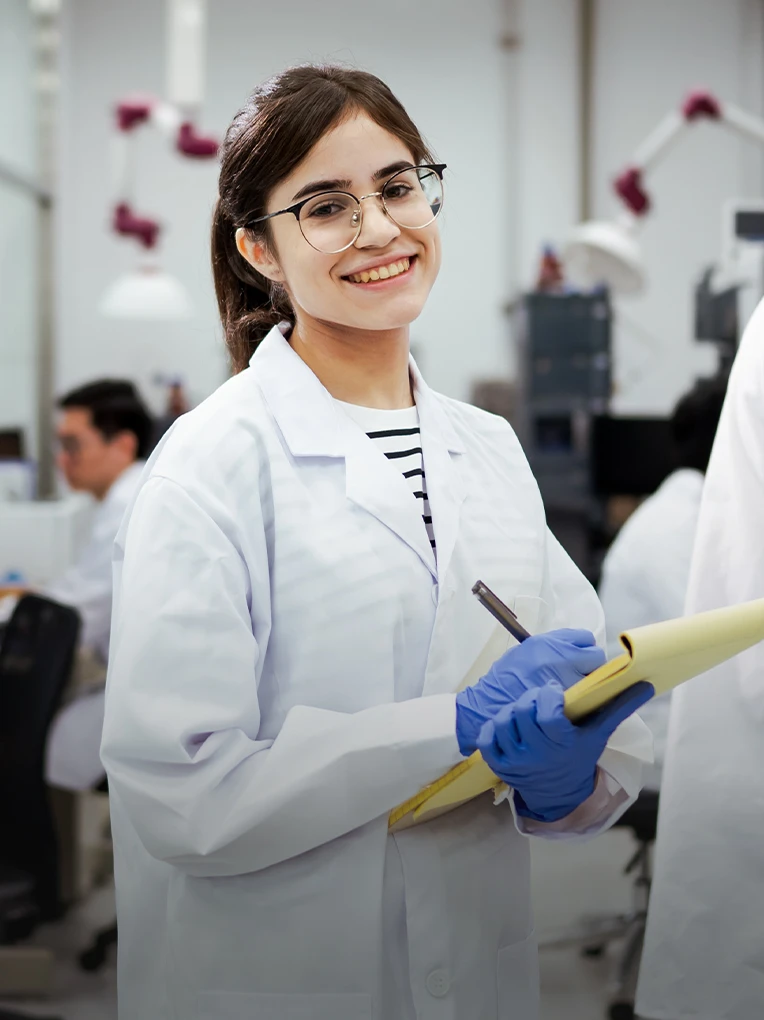
Beyond the cultural appeal, Taiwan offers a great education at a very affordable price compared to many other countries.
The Appeal of an Academic Stronghold
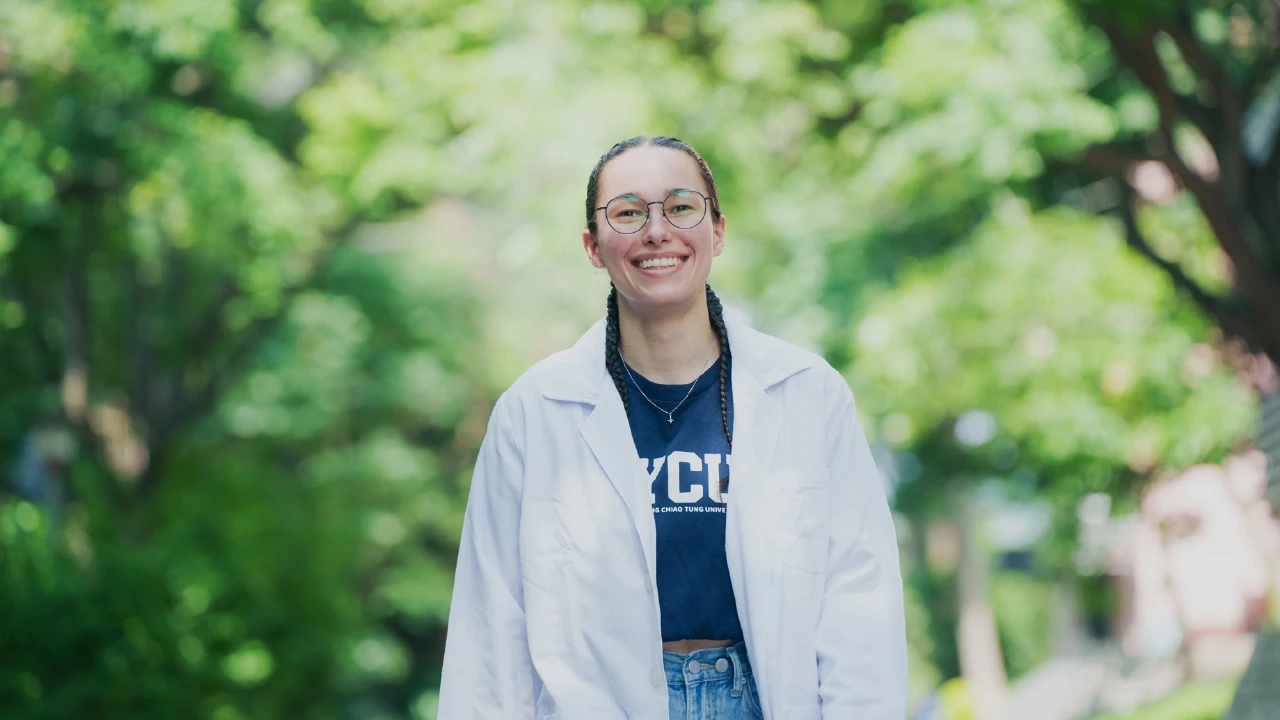
I decided to study in Taiwan because I wanted to experience living abroad while learning a completely new language. East Asian cultures are renowned for being hardworking and academically strong, and since Mandarin is one of the most widely spoken languages in the world, learning it felt like a meaningful and interesting challenge. Beyond the cultural appeal, Taiwan offers a great education at a very affordable price compared to many other countries. I’ll admit I was a little worried before coming here; however, those fears were groundless. I was greeted by kind and welcoming people who helped me adjust quickly and feel right at home.
Choosing Excellence at NYCU
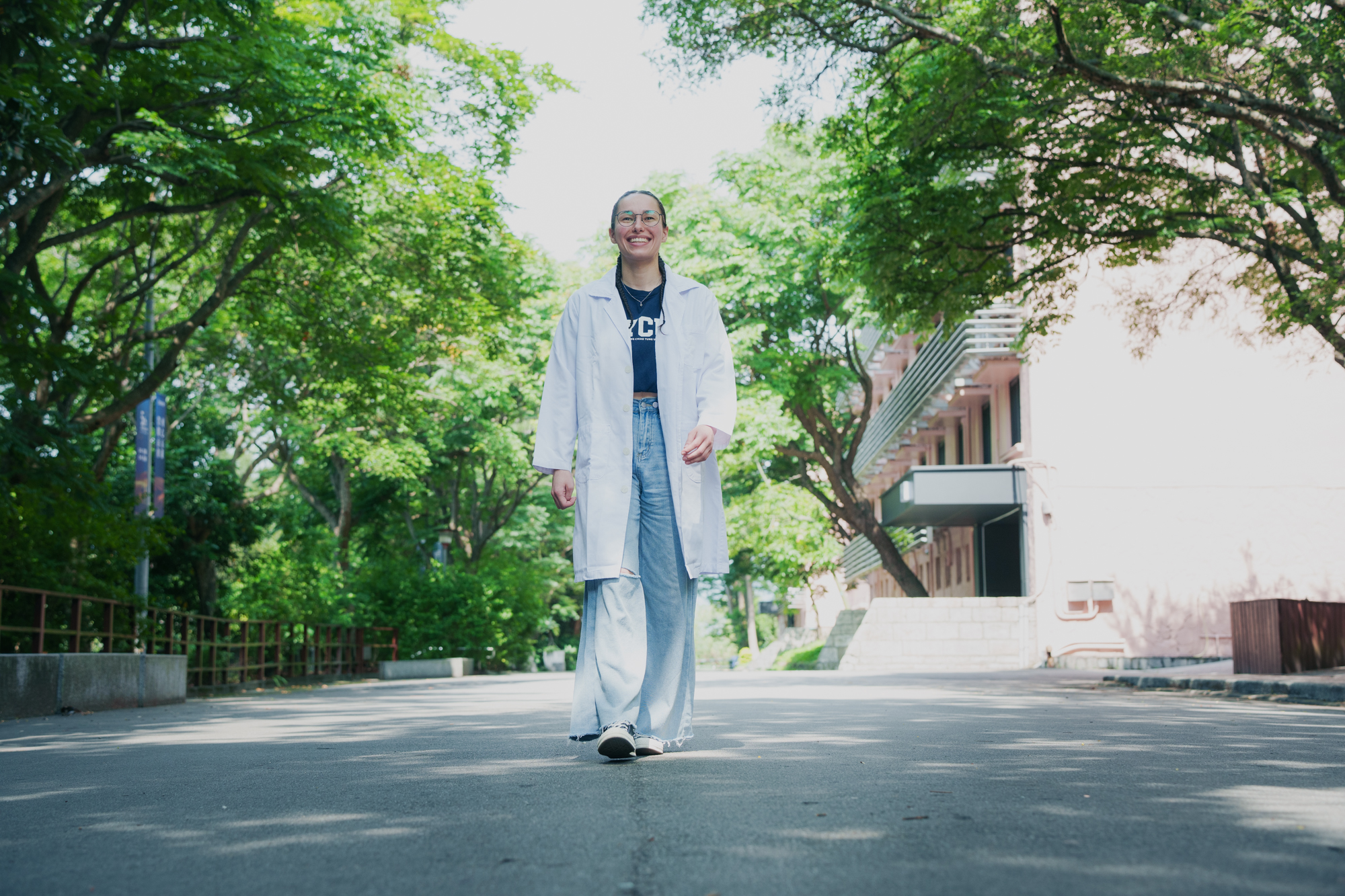
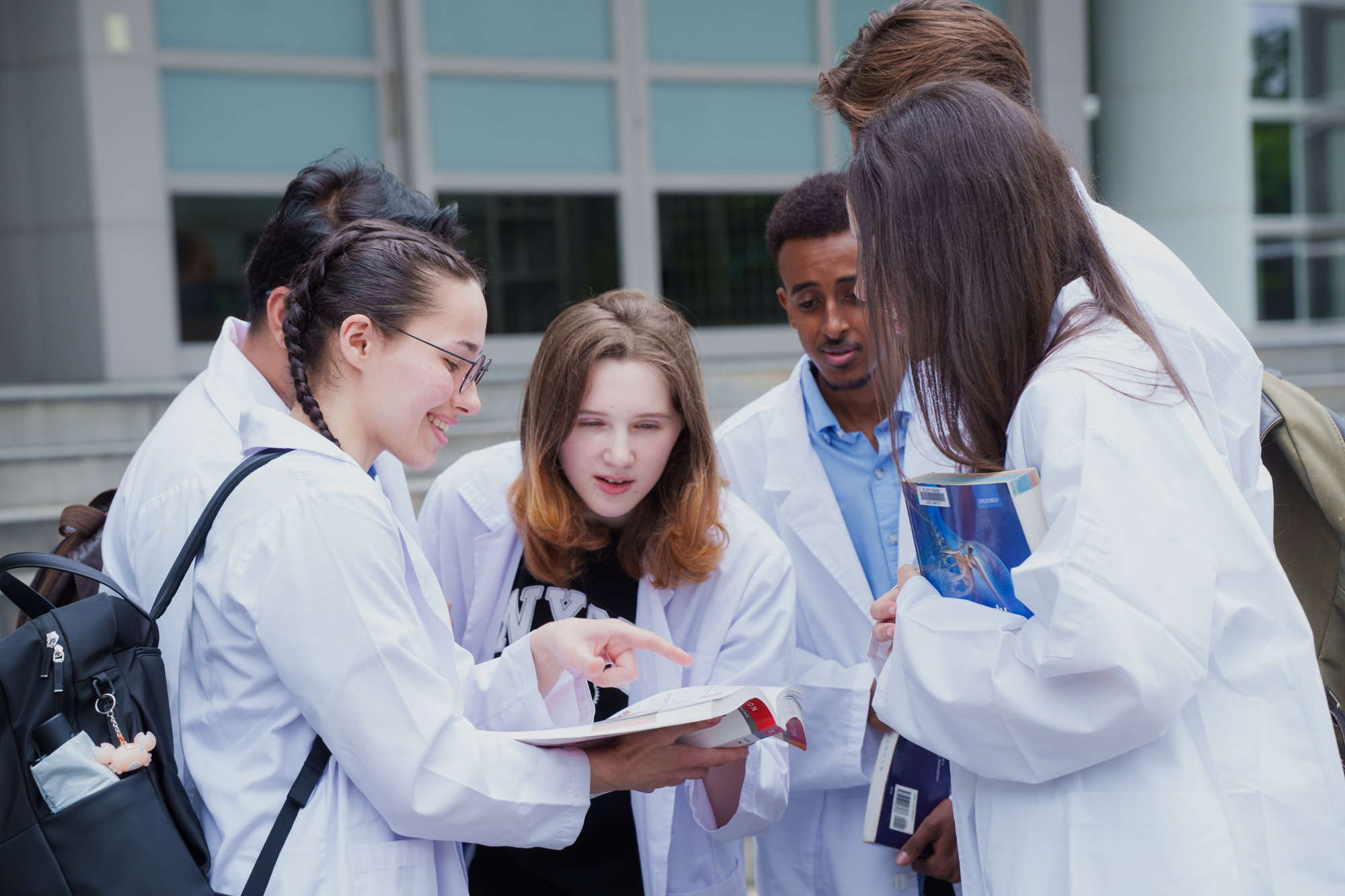
National Yang Ming Chiao Tung University (NYCU) has a strong academic reputation in Taiwan, especially in the life sciences and biology-related fields. As an international student without prior Chinese language skills, the fact that the university offers various English-taught programs was very important to me. Another major factor was the scholarship opportunities, which have made it possible for me to focus entirely on my studies and research. Overall, NYCU felt like a place where I could receive rigorous academic training while being fully supported as an international student.
Bridging Plant Biology and Cancer Research
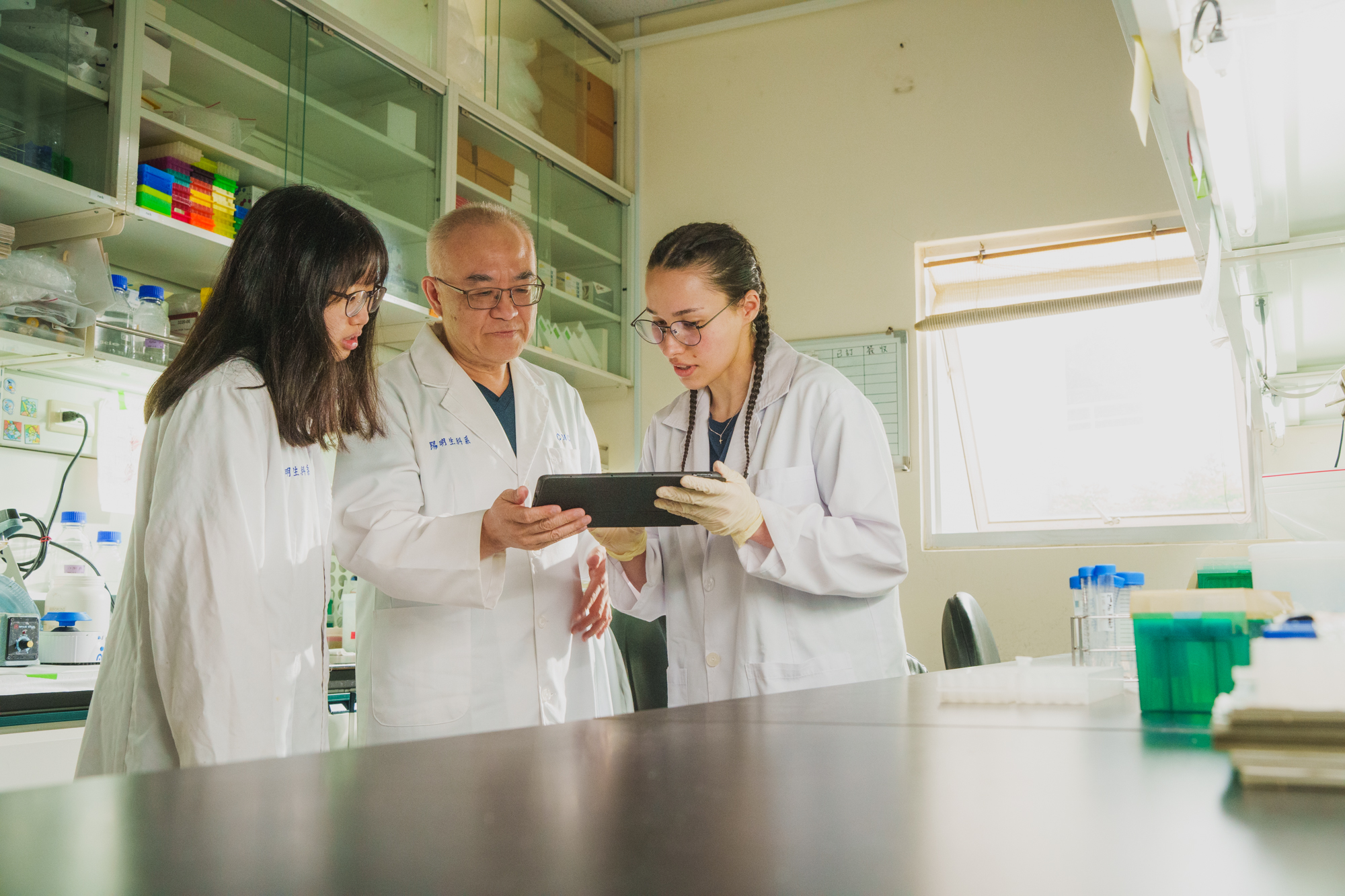
My decision to enroll in this program was strongly influenced by my advisor and his specific research focus. I was very interested in his work, and even though my academic background is in plant biology, his lab welcomed me and helped me transition smoothly into the cancer biology field. The life science department at NYCU has a strong emphasis on biomedical research, which aligns closely with my personal interests and future career goals.
A Culture of Guidance and Collaboration
One of the most valuable resources at this university is the professors themselves. Even those who are not my direct advisors are very approachable and willing to offer feedback, guidance, and support. A great example of this is the semester progress report system, where we present our research to our advisor and two additional professors. They provide different perspectives and suggestions on how to improve our work. This process encourages scientific discussion and allows us to learn from multiple experiences, which has been extremely helpful for my research.
If I were to describe my university in three words, it is far more supportive, research-driven, and kind than you might think. The professors and staff are always willing to help with research or academic advice, and there is a powerful emphasis on critical thinking and academic development. That kindness I first felt upon arrival extends into the professional environment of the school.
Mastering Language and Lab Techniques
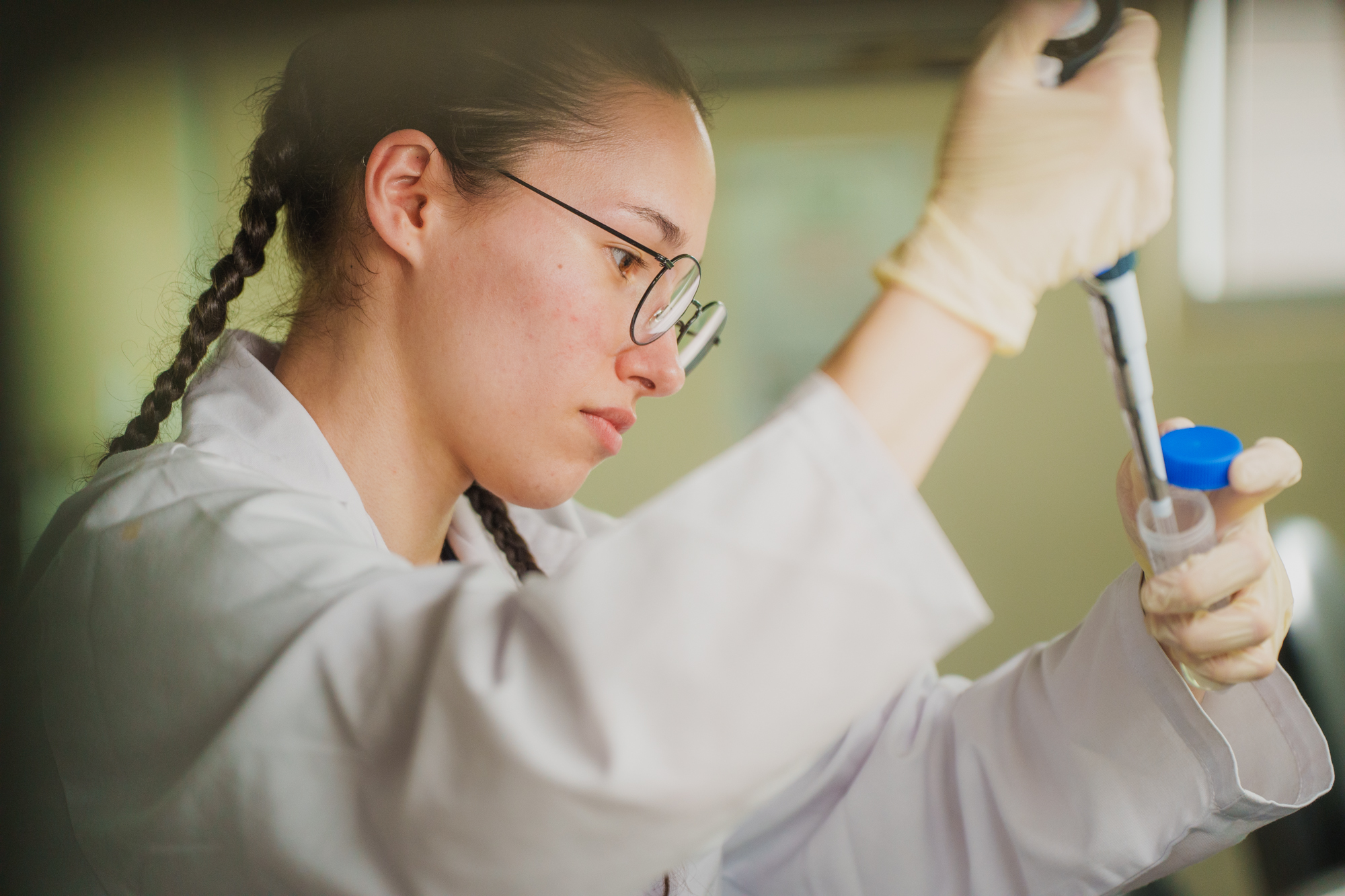
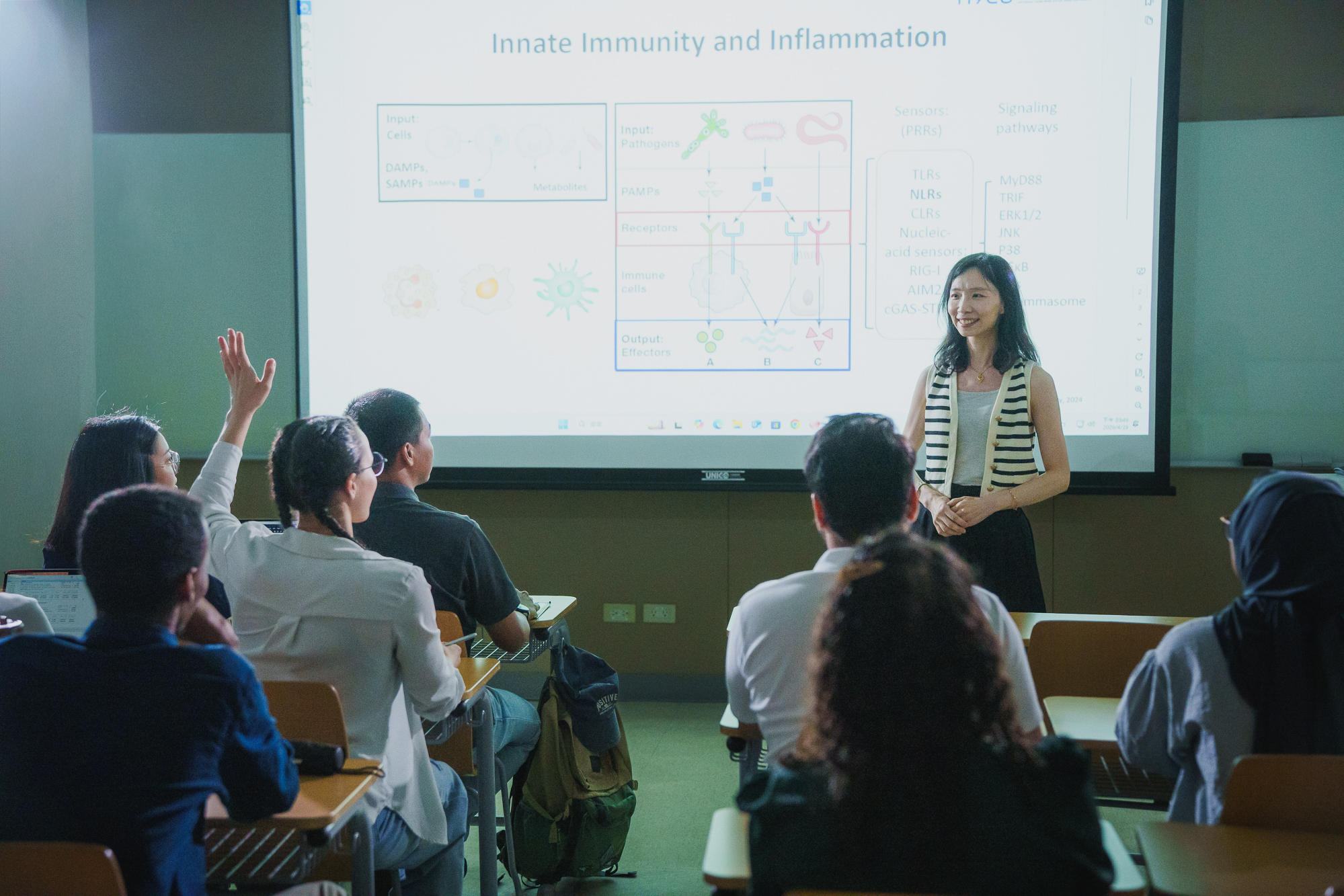
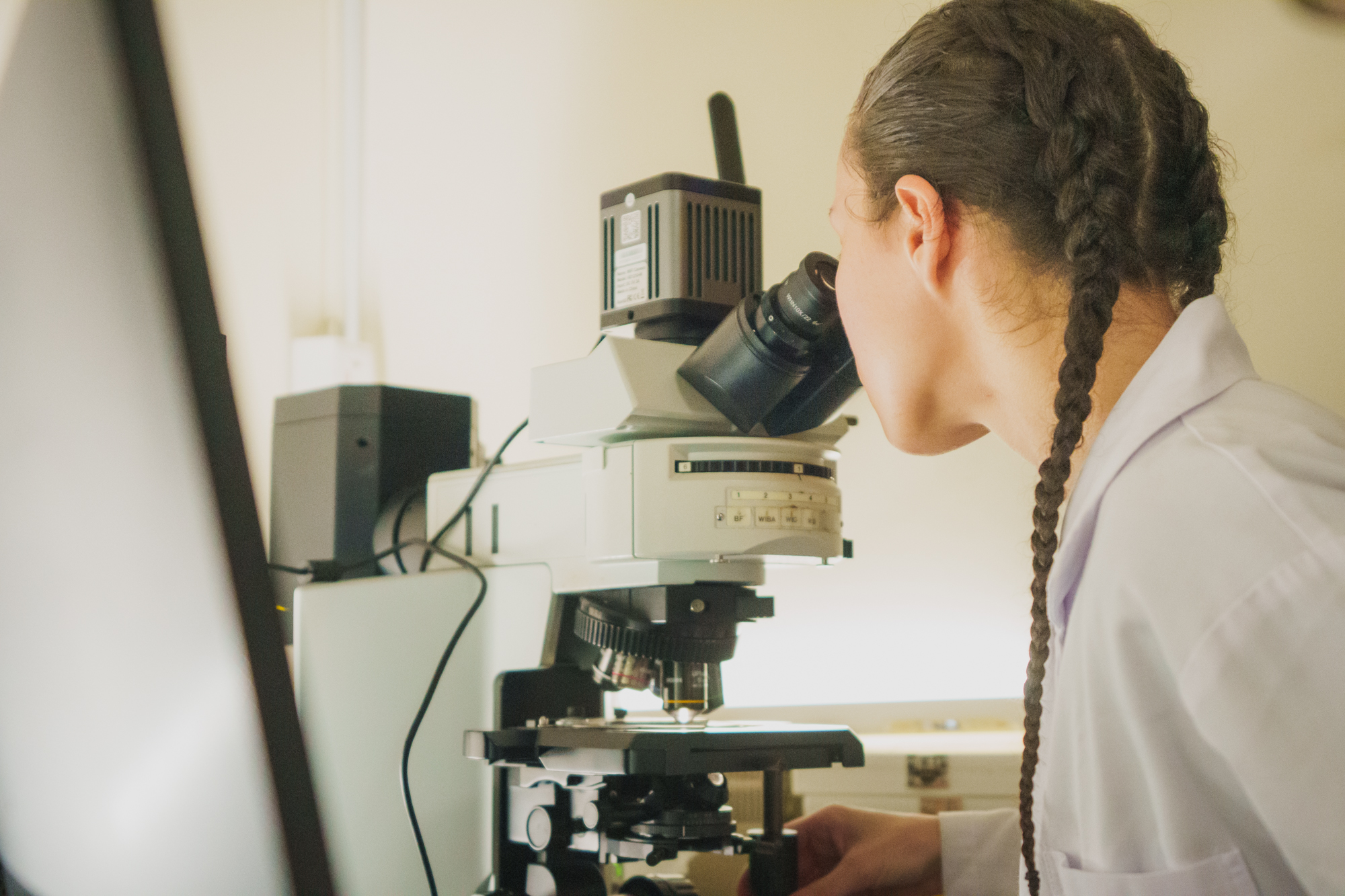
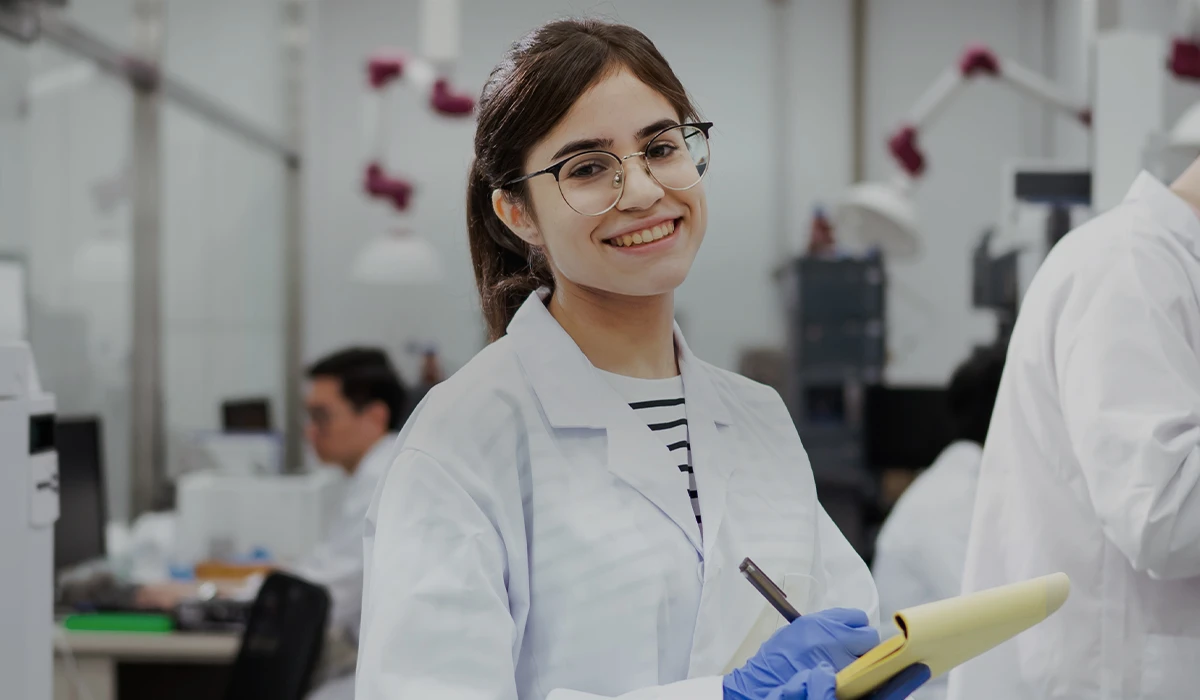
While most of my courses are lecture-based—which I find beneficial for building a theoretical foundation—I spend a significant amount of time doing hands-on work in the laboratory for my thesis research. In the lab, I am learning fundamental and widely used research techniques that will be essential for my future career. While we may not use extremely specialized technology every day, the techniques I practice make up a large part of real-world research, and I value the opportunity to apply them consistently.
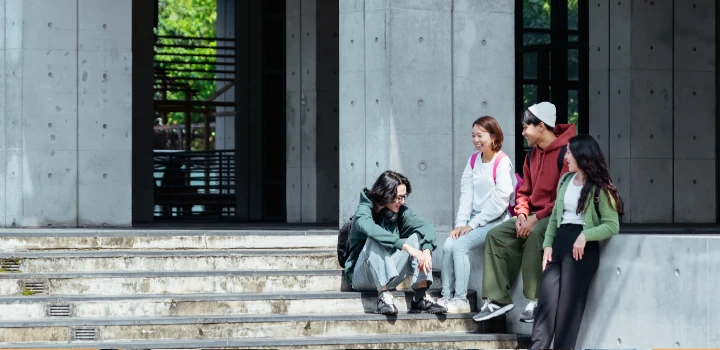
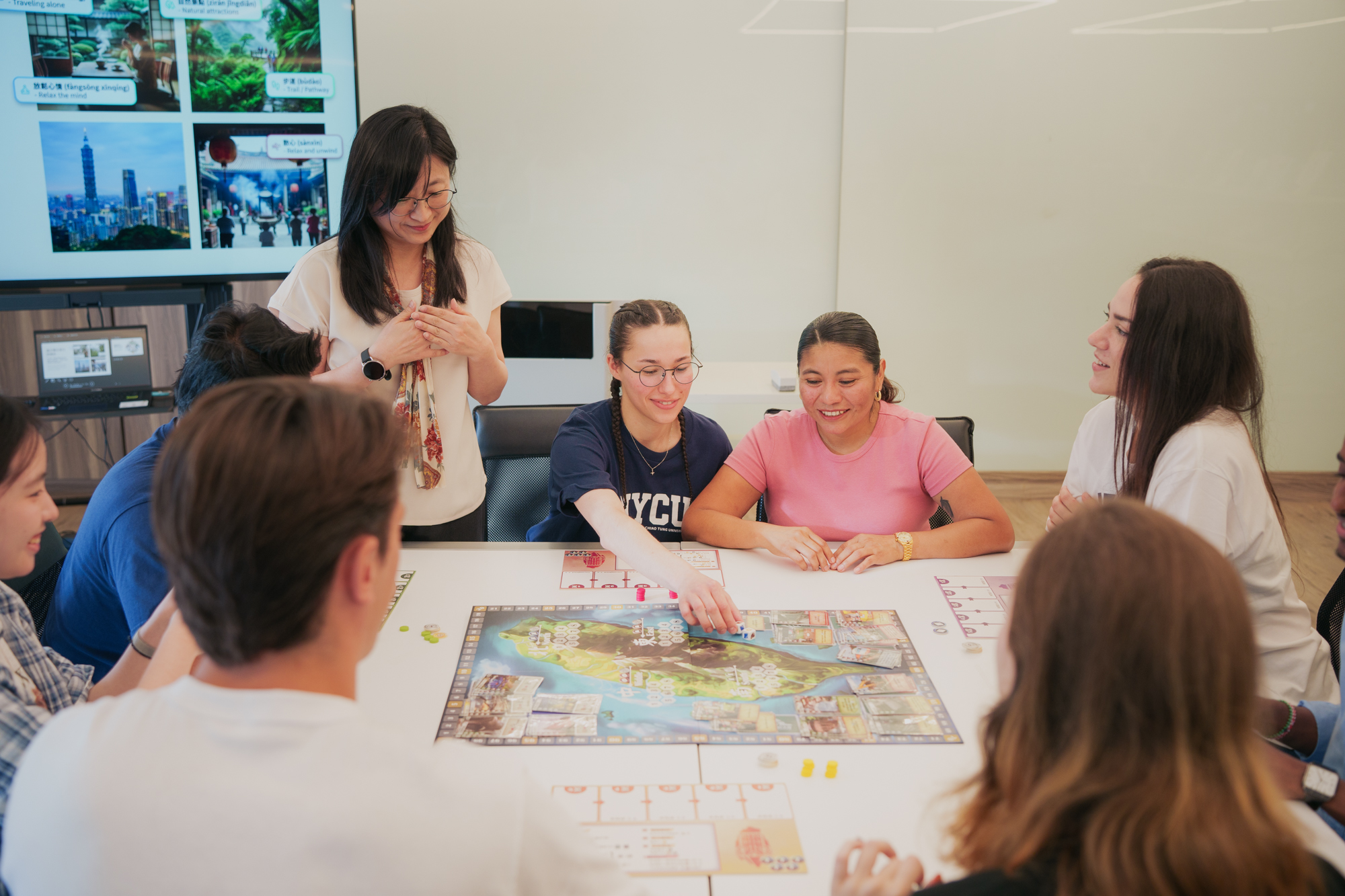
Balancing this research with learning Mandarin can be a challenge, but I really appreciate the language classes offered on campus. The classes are well-structured and low-pressure, which makes learning enjoyable. Our teacher not only teaches the language but also explains cultural differences, Taiwanese dialects, and traditions such as the Dragon Boat Festival and Ghost Festival. This makes the experience feel practical, comfortable, and connected to my daily life in Taiwan. Outside of work, I even participated in a department volleyball competition, which was a fun way to connect with students from other labs and universities.
Forging a Path in Global Biomedicine
NYCU has provided excellent resources to help me connect with the professional world, including strong ties with research institutions like Academia Sinica. Many students collaborate with these institutes, and several labs have active partnerships with them. The university also offers career courses and events where companies introduce themselves to students.
A particularly helpful requirement is the "Special Lectures on Biomedicine" course, where invited speakers—including former students, company founders, and researchers—share their insights. These experiences have helped me better understand the opportunities available in my future. After graduation, I would like to pursue a PhD, possibly here in Taiwan. My experience has confirmed that I want to continue in research, and I truly enjoy the academic environment and lifestyle here. While family considerations might eventually bring me back to Europe, staying in Taiwan for my PhD or returning here later is definitely something I would love to do.
This website stores cookies on your device. These cookies are used to collect information
about how you interact with our website, which allows us to enhance your browsing
experience, analyze site usage, and improve our marketing efforts. By continuing to use this
site, you agree to our use of cookies. To find out more, see our
Cookie Policy.
Necessary cookies enable core functionality such as page navigation and access to secure areas.
The website cannot function properly without these cookies. These cookies can only be disabled by changing your browser preferences.
Analytics Cookies
Analytics cookies measure the usage of our website.
We use Google Analytics that gives us insight into how
many visitors come to our site and which parts of our
website visitors find most interesting. These analytics
enable us to continuously improve our website for a
user-friendly experience.
Marketing cookies make it possible to share the content
of our website through social media and help us with
marketing efforts. For more information, please see our
Cookie Policy.
Some cookies may need to be opted out directly from the service provider. Please
follow these links for more information: