A Foundation in Tech and Business
Honestly, at the beginning, I chose to come to Taiwan because of the work-study program. During the first two years, I focused on studying, and in the following two years, I had the opportunity to do an internship and use my salary to pay for my tuition fees. My major was Electrical Engineering, and because Taiwan is highly developed in science and technology, I was very interested in experiencing life and education in such a developed country.
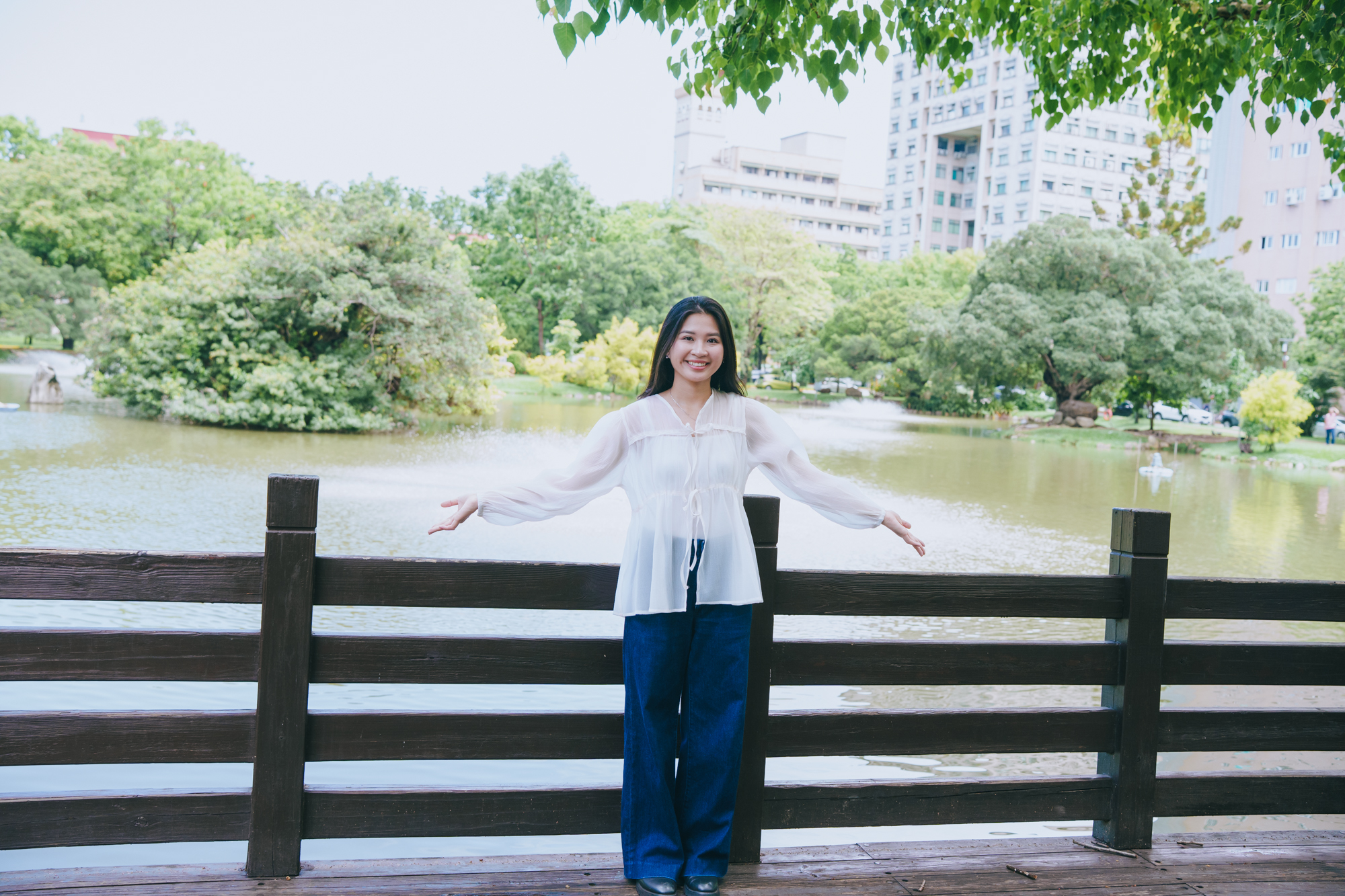
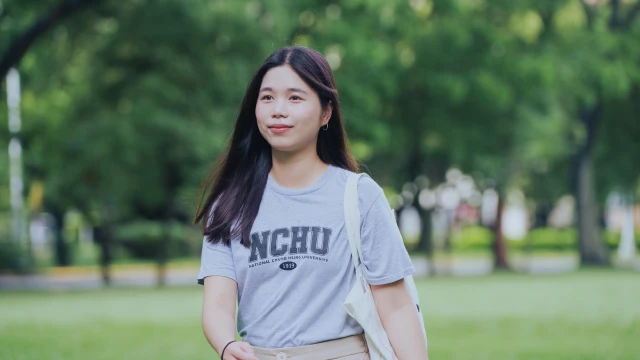
When looking at further education, NCHU stood out as one of the top universities in Taichung. The educational environment is excellent, and the campus is spacious and beautiful. Furthermore, the university offers students the chance to receive full scholarships that cover tuition fees along with monthly allowances, which is not something many universities can provide. I ultimately decided to enroll in the MBA program at NCHU because it is accredited by AACSB, reflecting the high quality and international standards of the program. What makes this program particularly valuable is the opportunity to take certain courses together with EMBA students. Being able to interact with experienced professionals and business leaders in class is a very precious opportunity that allows me to gain practical insights and learn beyond textbooks through real-world experience.
A Resourceful and Supportive Campus
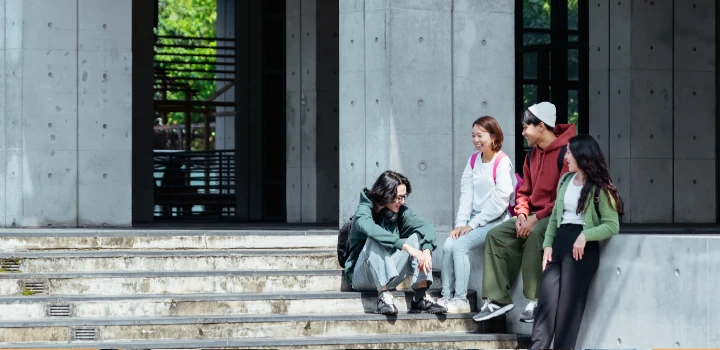
You might not expect this, but my university is far more resourceful, opportunity-rich, and supportive than you think. The professors here are very kind and open-minded; they genuinely listen to students’ ideas, encourage discussion, and are always willing to offer guidance and support whenever we need help.

The university library offers facilities that truly surprised me. It provides a wide range of equipment for students to borrow, from MacBooks and iMacs to iPads. There are even free massage chairs available, which is something I did not expect from a university library. The study spaces are also very supportive, operating 24 hours during exam periods. Additionally, the library frequently organizes English enhancement activities and meaningful mental health workshops, helping me maintain a healthy balance between study and well-being.

Academically, the school is incredibly resourceful. We have practical, hands-on summer startup courses designed for students who want to become entrepreneurs, guided by experienced educators who bring real-world insights into the classroom. While I don’t work directly with machines in my MBA, the professors ensure our courses align with current trends, such as data analysis and the application of AI in daily life and business. The Startup course even concludes with a competition, giving students a chance to test their ideas and receive feedback in a practical setting.
Mastering Mandarin Through Immersion
Many people say that Vietnamese speakers learn Mandarin easily because many pronunciations are similar. However, the truth is that this similarity can actually make it harder to pronounce correctly, as it is easy to confuse sounds and not realize whether you are saying them accurately. Additionally, the complex Chinese characters make memorizing the strokes challenging.
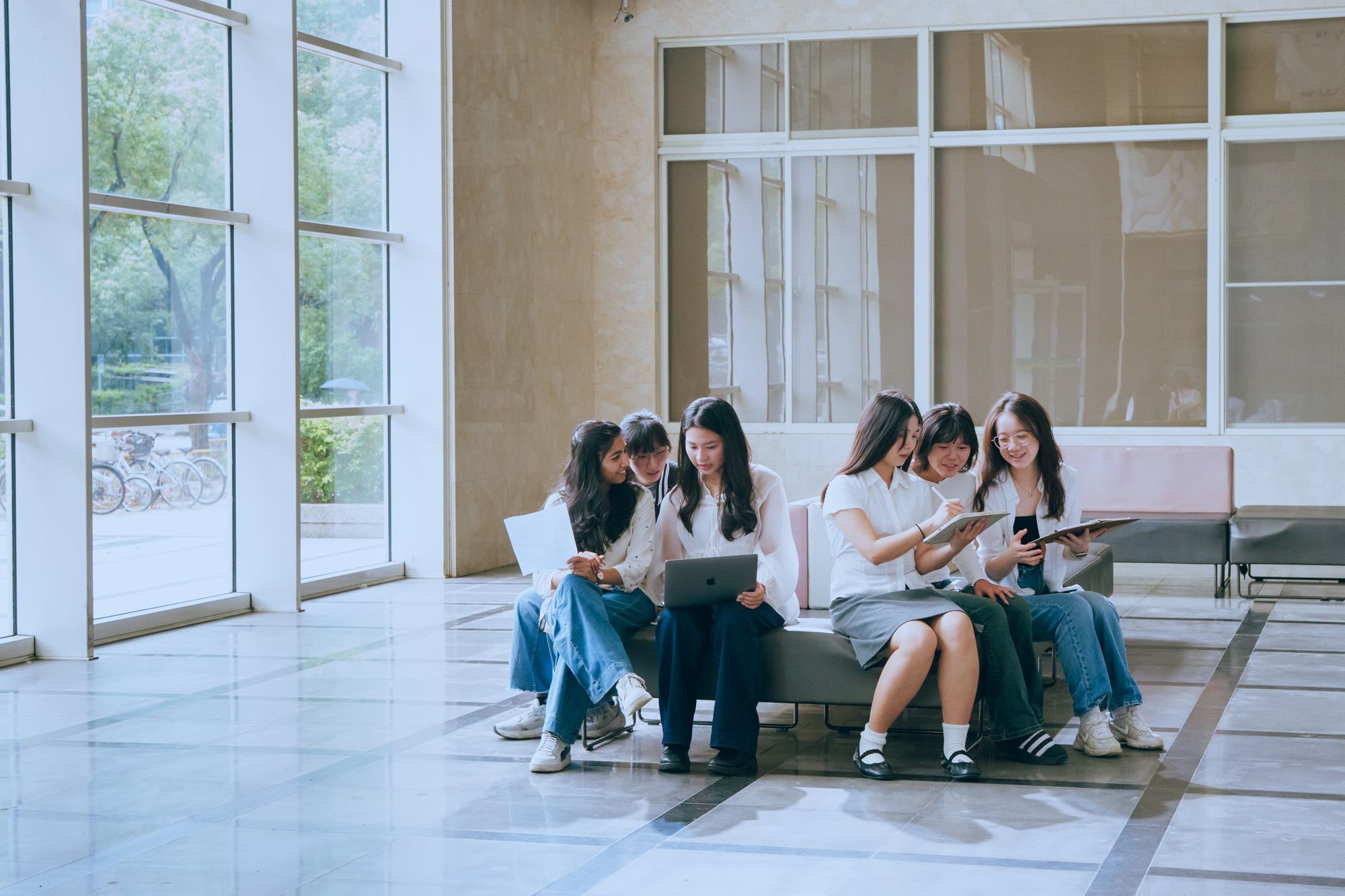
One approach that has helped me a lot is learning Mandarin in Mandarin itself. When I first arrived in Taiwan, I only knew basic pronunciations like “b, p, m.” By taking classes with Taiwanese teachers and learning directly through explanations in Mandarin—rather than translating everything into my native language—I grasped meanings more deeply and improved both my pronunciation and comprehension much faster.
Professional Growth and Meaningful Connections
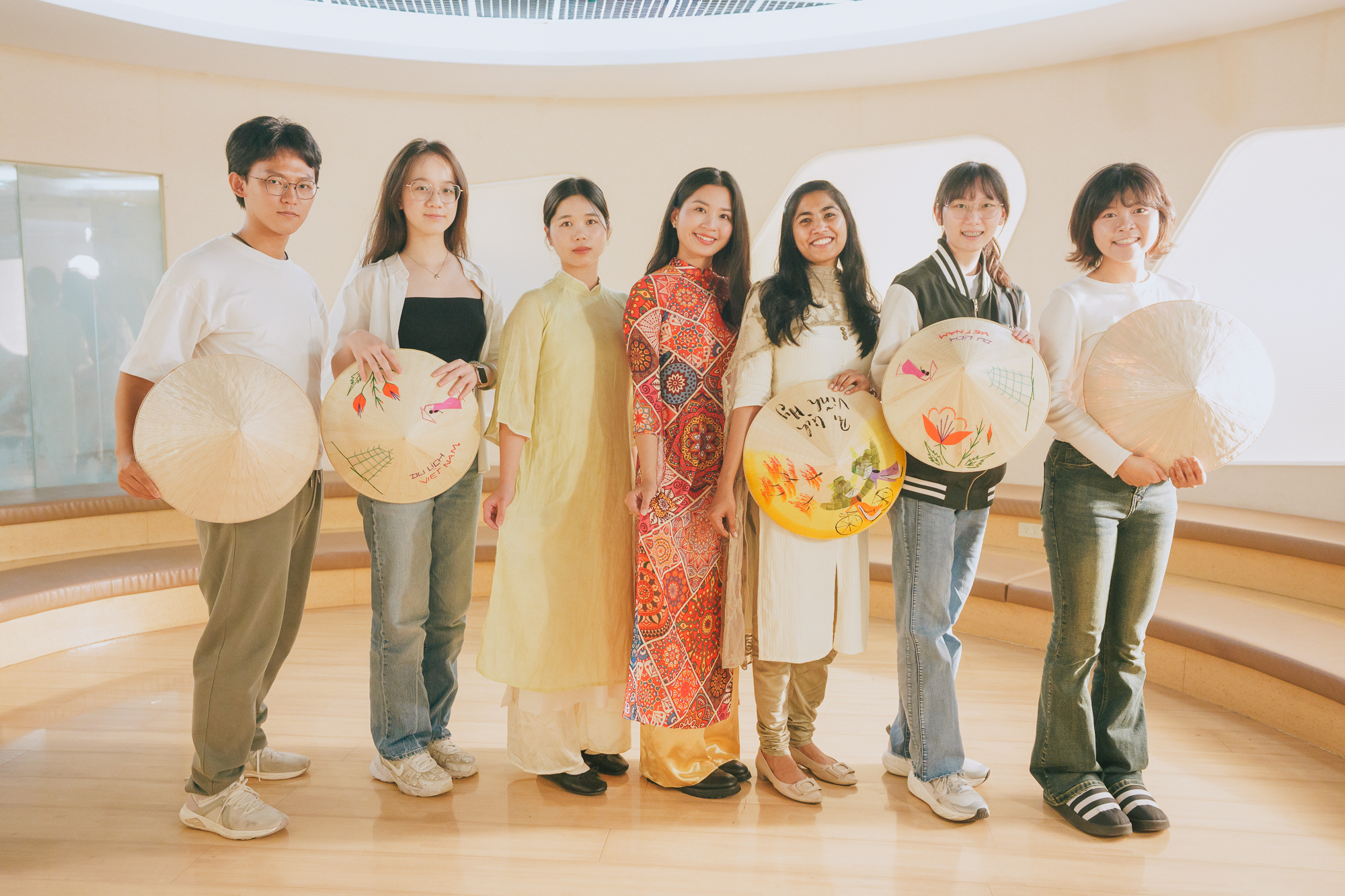
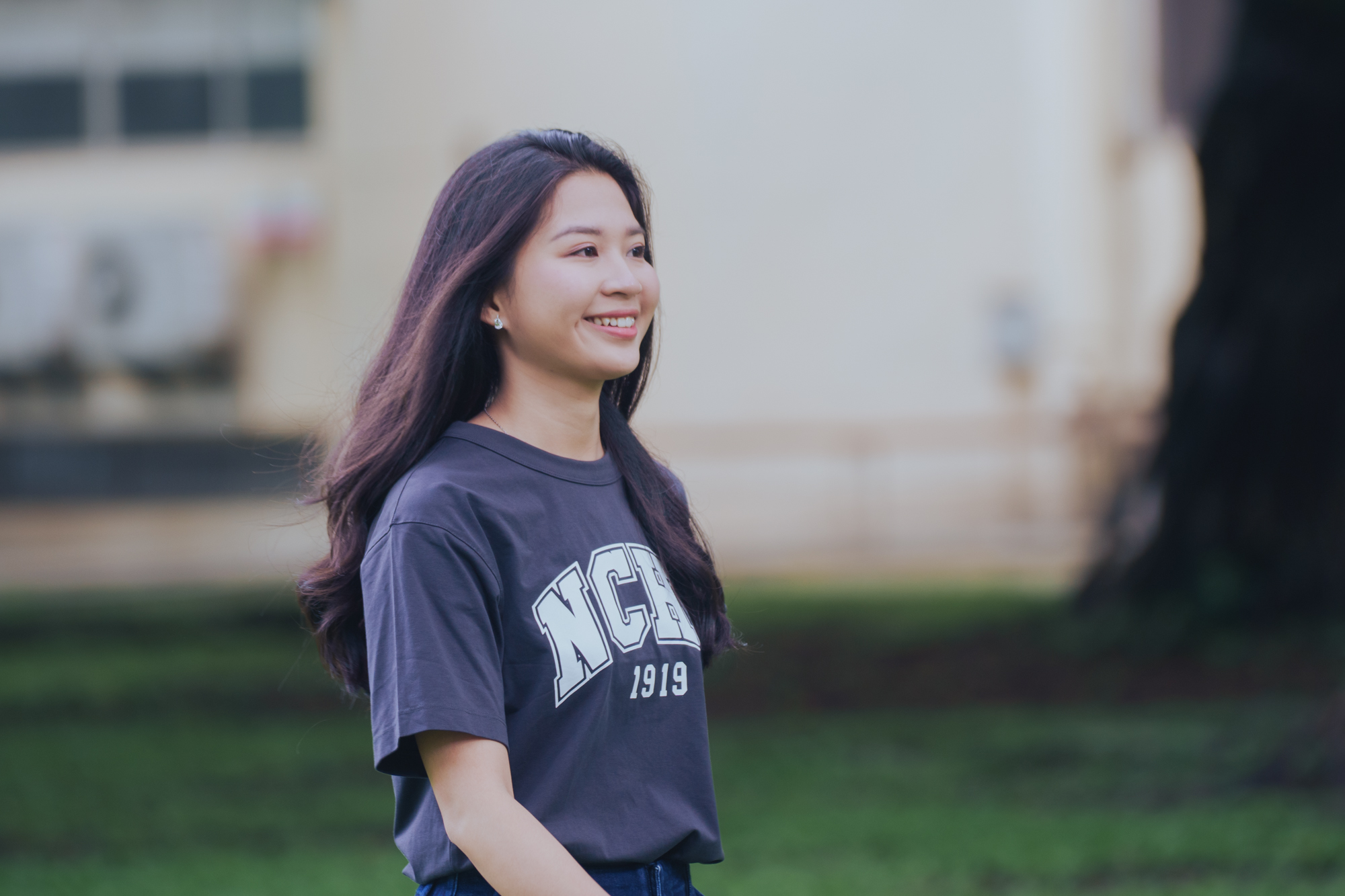
During my time studying in Taiwan, I have actively participated in several meaningful programs. I was selected as a Top 15 finalist in the popular YouTube Chinese Monster (中文怪物) competition, which opened many doors for me to connect with international students and expand my network. Currently, I serve as a Campus Ambassador at NCHU, working with the Office of International Affairs (OIA) to promote the university and assist with student recruitment. Last year, I also participated in two interpretation events, facilitating exchanges in medical equipment between Vietnam and Taiwan. Having the chance to interpret at such important events was a significant challenge that I successfully overcame.
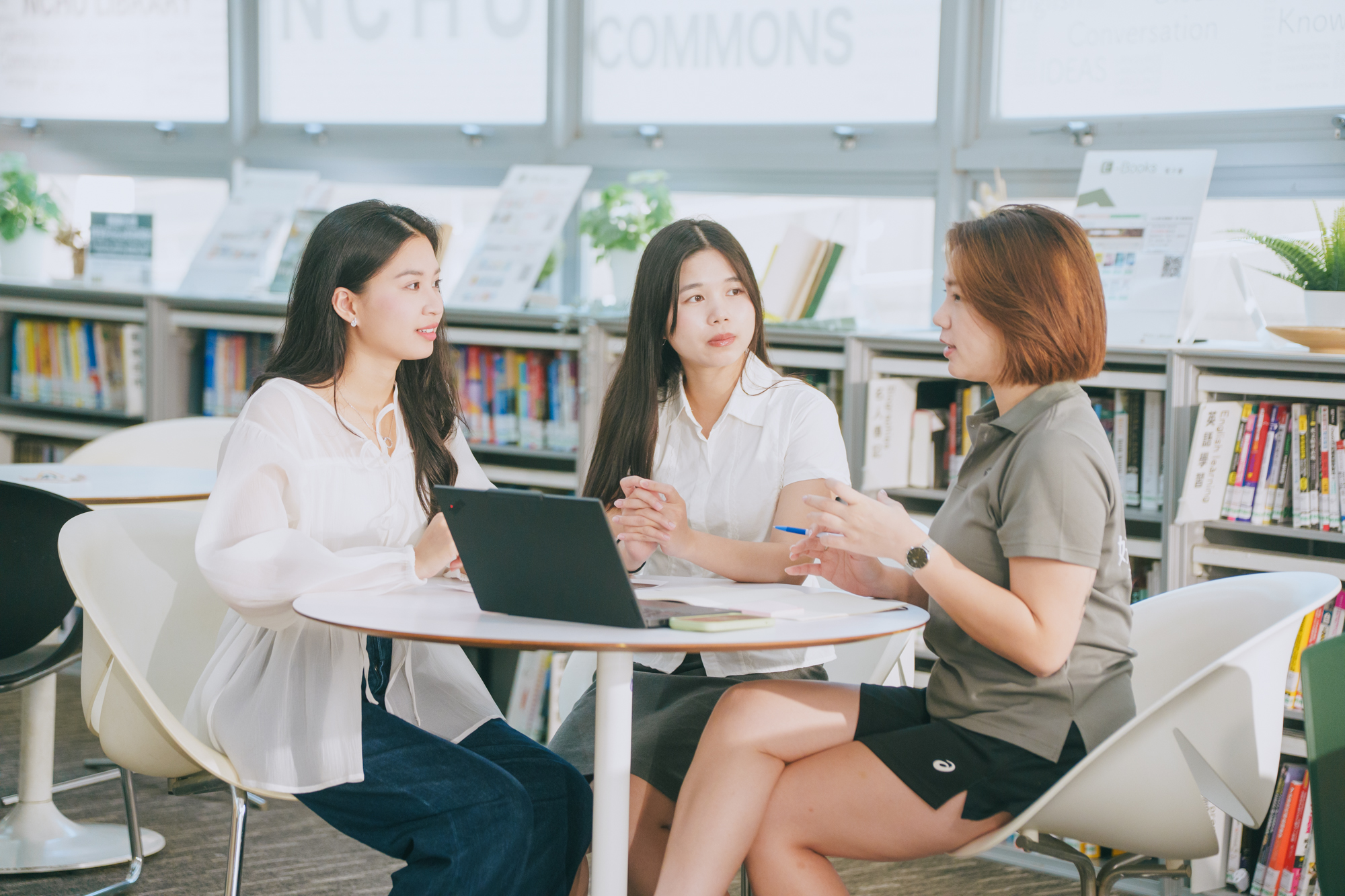
To help us connect with the professional world, the university hosts large-scale job fairs on campus. Many well-known companies such as TSMC, Delta Electronics, and EVA Air participate. Alongside company visits and one-on-one CV workshops, these events provide valuable opportunities for students to connect directly with industry leaders, explore career options, and better understand the job market.
Bridging Two Cultures for the Future
This year, the regulations regarding staying to work in Taiwan and long-term opportunities have changed significantly. It is no longer as difficult as before, which shows that the government is actively supporting and encouraging us.
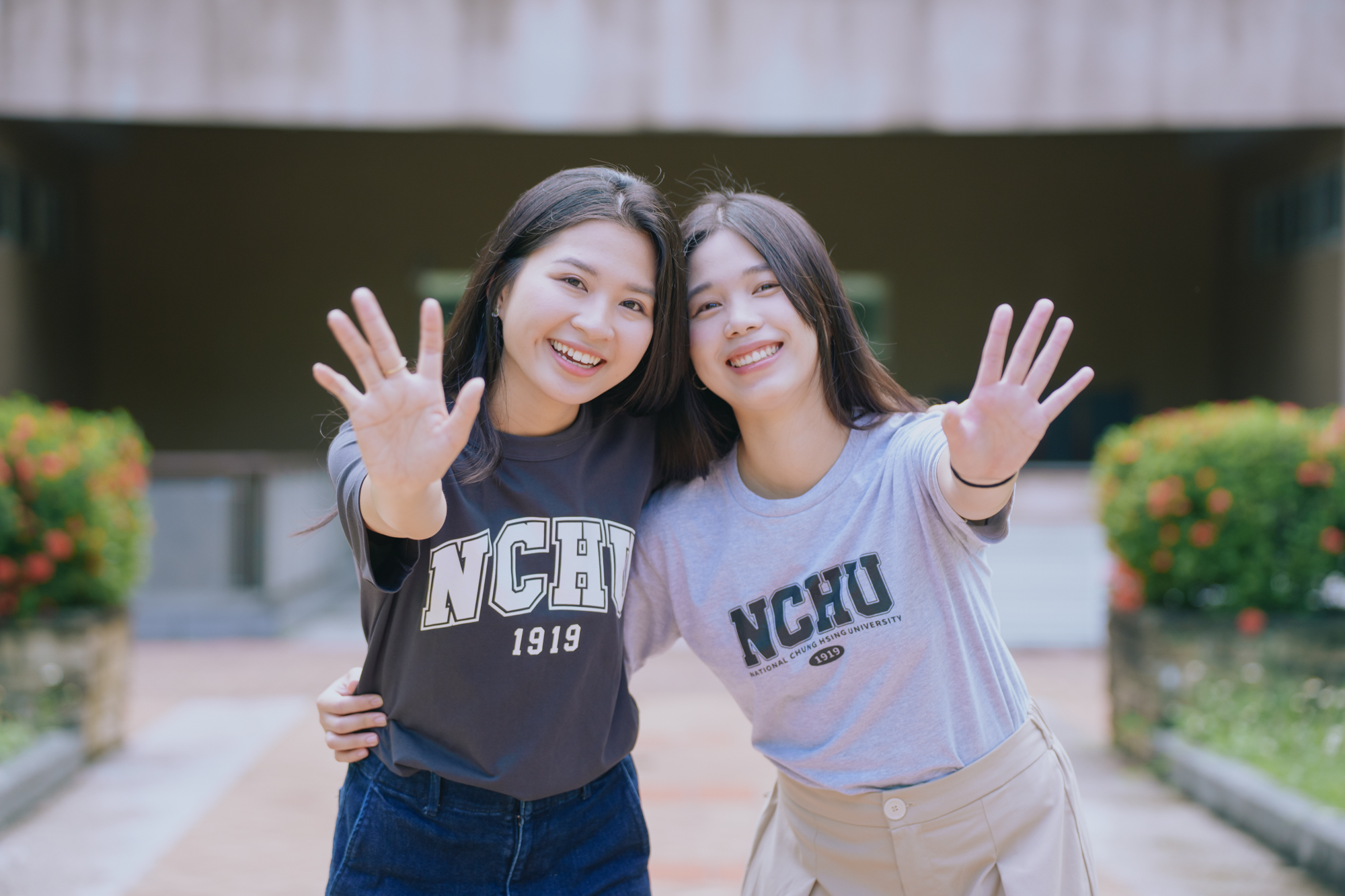
I have long wanted to live and work in Taiwan. The lifestyle here suits me very well—it is modern while preserving traditional culture, and developed yet still warm and full of history. The excellent job opportunities and social benefits for residents make staying here a very appealing path for me.

With Vietnam also rapidly developing, I have always dreamed of contributing to stronger connections between the two countries. Building a career here in Taiwan while serving as a bridge for collaboration and understanding between Vietnam and Taiwan would be a dream come true for me. I hope to use the skills and knowledge I gain from my MBA to create meaningful opportunities, support international cooperation, and contribute positively to both societies.