Bridging Cultures and Careers: From Sinology to HR
I was finishing my master’s degree in Sinology in my home country, and I knew I wanted to further improve both my Mandarin level and my professional skills. Having previously spent time in Shanghai, I did not want to return to China. Instead, I wanted to experience a Mandarin-speaking environment that was culturally similar but also offered a different social and political atmosphere. Taiwan felt like the perfect choice. To be honest, before I arrived, I didn’t know much about the education system here; I was mostly drawn by the warm weather and the local standard language.
However, after a year and a half at NTNU, studying here has become deeply meaningful. It is a place where I can continue improving my Mandarin while operating in a very open and international academic environment. My primary reason for choosing NTNU was practical: it was the only university that offered the specific program I needed. It also happens to be the second-best university in Taiwan, which certainly influenced my decision.
Becoming "Something Special": The IHRD Journey
Before coming to Taiwan, I worked as an HR trainee in a Chinese company and realized I had found my profession. I believed that if I can combine Mandarin speaking with HR knowledge, I could become something special in the Hungarian job market. When searching for programs, the International Human Resource Development (IHRD) program was the first to catch my attention. It offered English-taught courses, international connections, and the hands-on learning I craved.
What I have enjoyed most is the practical side of the curriculum. Many courses focus on real-world topics like organizational development and workplace communication. Working with classmates from different countries has also been a very valuable experience, as it allows us to exchange perspectives about workplace culture in different parts of the world. This university is far more practical, diverse, and professional than people might expect. We don't just study theory; we work on case studies and tools actually used in the field.
The Traditional Challenge: Mastering Mandarin in Taiwan
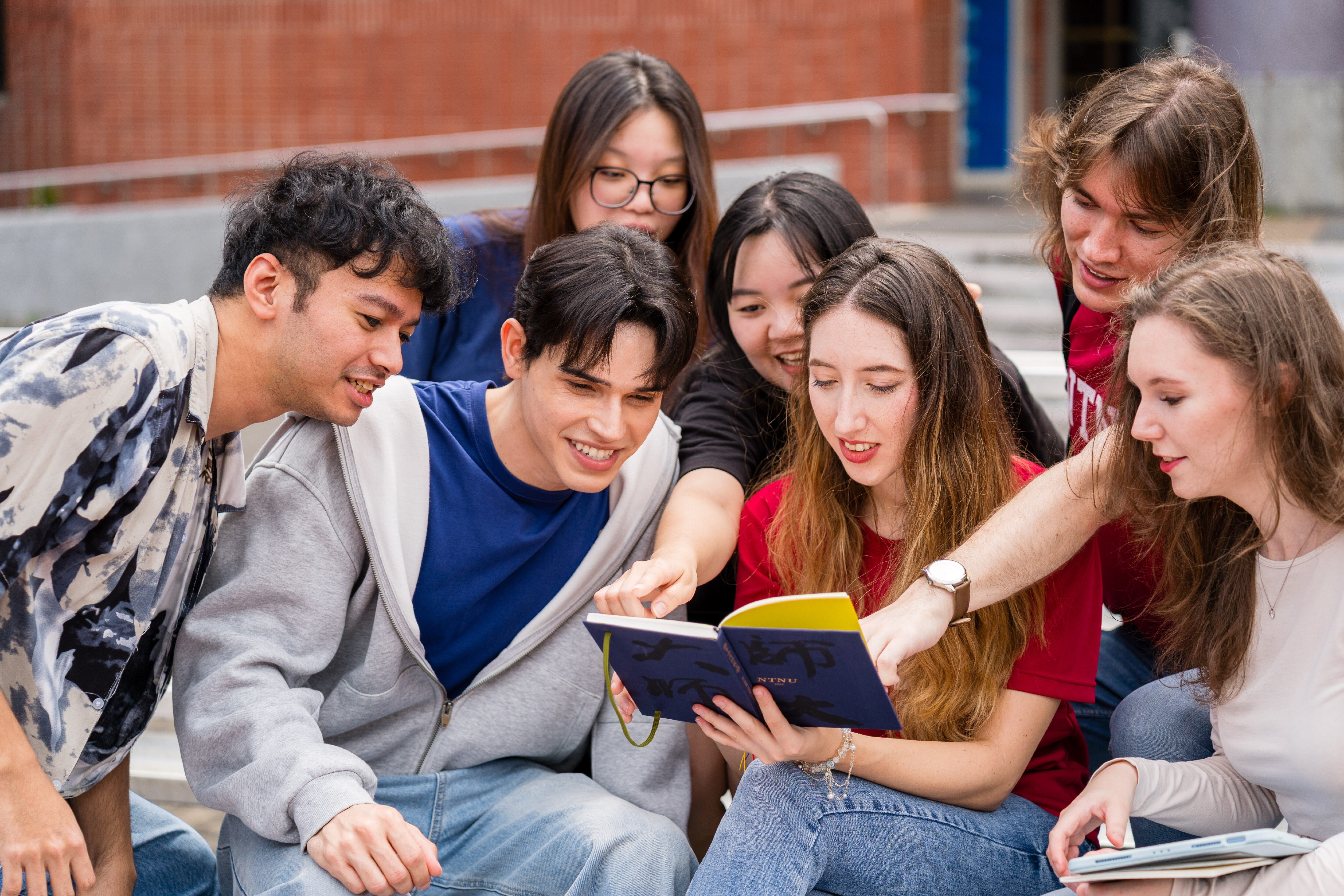
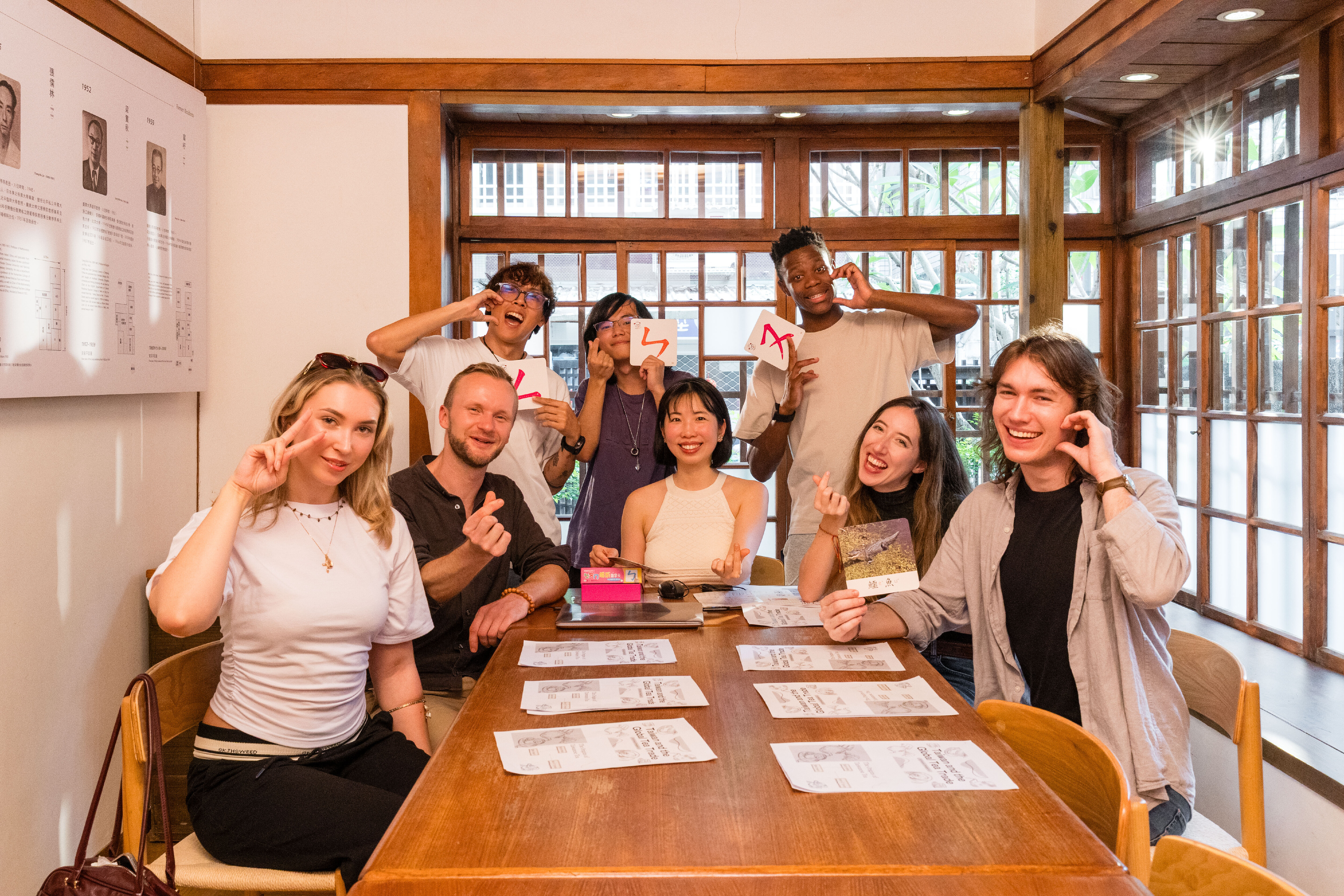
I had been learning Mandarin for eight years before coming to Taiwan, so the transition was generally smooth. However, the move from simplified to traditional characters was a significant hurdle. In our exams, we lost a point for every simplified character we used. At the beginning, it was really annoying that although I knew the characters, I always had to look in the dictionary to see the traditional form of them. It took time to adjust to the writing, reading, and local vocabulary. Fortunately, the university provides excellent resources, including one-on-one tutoring sessions that helped me maintain my skills. During these sessions, I even had the opportunity to learn Zhuyin, which further deepened my connection to the local language culture.
Hands-On Innovation and Industry Insights
My courses have encouraged me to experiment with technologies that are becoming vital to the HR field. In one project, we designed a dashboard for a Human Resource Information System (HRIS), learning how to visualize data to support decision-making. We also created training videos using AI-based tools and explored various analytics platforms. These projects taught us the "complex thinking" required to design interfaces and manage modern workplaces.
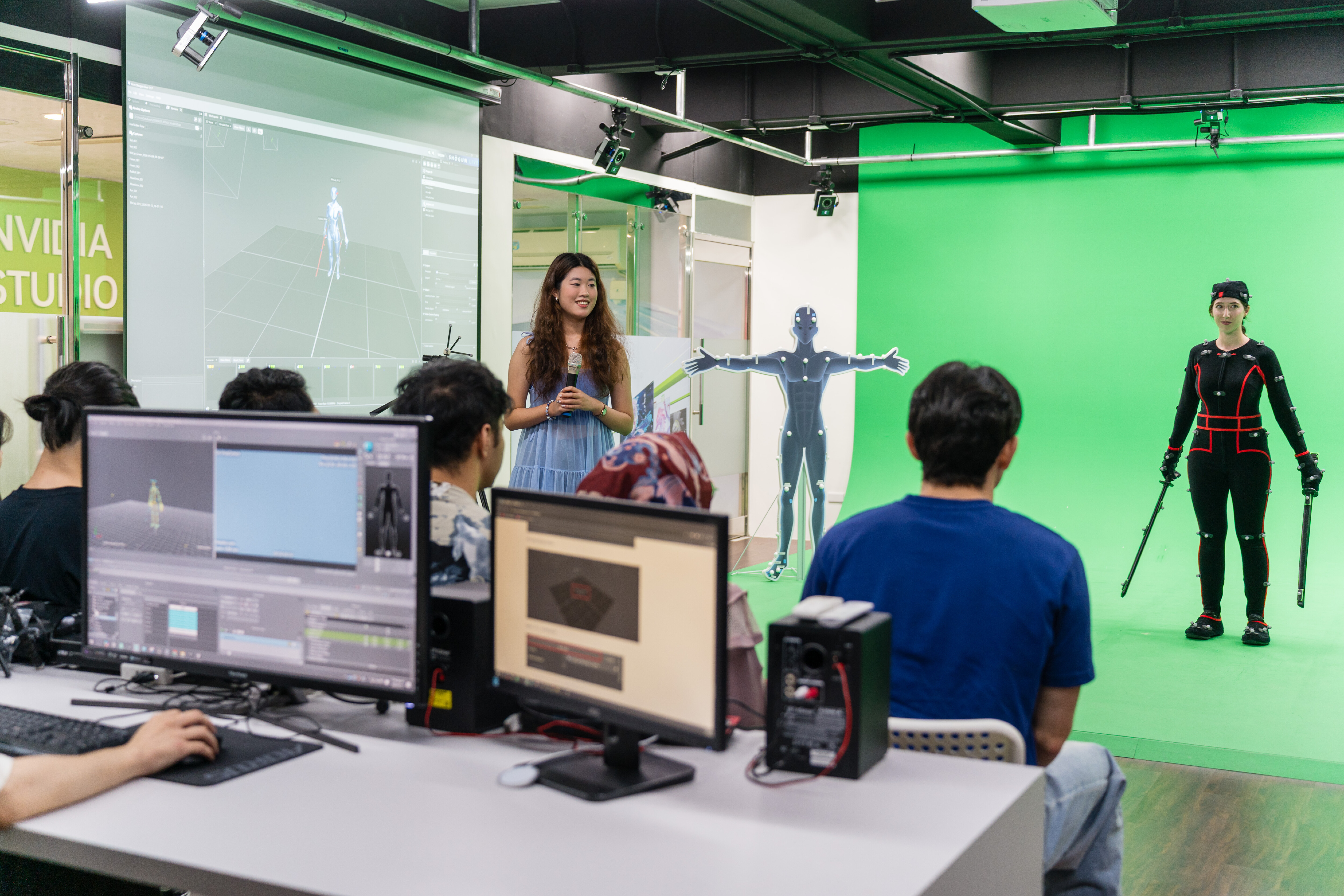
The department also connects us directly to the professional world. We’ve had guest speakers from the Marriott Hotel and TSMC, and even received direct feedback from a professional at DBS Bank on a compensation system project. Having a professor who also leads the NTNU Career Center means we are constantly updated on the Taiwanese job market and internship opportunities. These resources make the challenge of entering the local market as a foreigner feel far more manageable.
Creativity and Community Beyond the Classroom
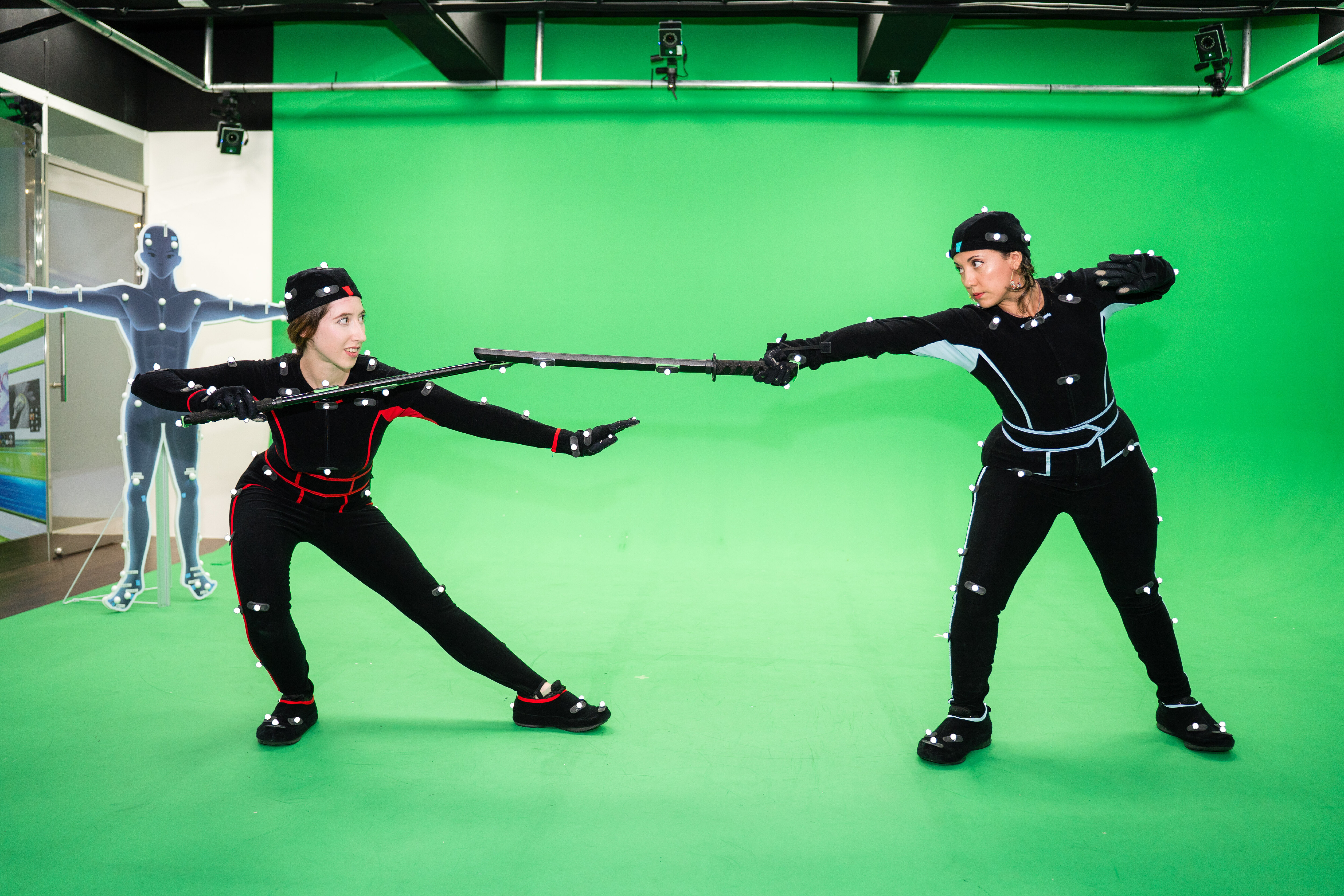
I have tried to stay active within the university community by volunteering for department events, such as graduation ceremonies and international conferences. It has been a great way to gain organizational experience and meet new people. One of my proudest achievements was participating in the “Taiwan in My Eyes” SDG-themed contest. My team created a video presenting our perspective on sustainability and life in Taiwan. Our team received a special award, and our video won second place. It was a rewarding way to express our ideas creatively as an international team.
Staying the Course: Building a Future in Taiwan
I can definitely see myself staying in Taiwan for a while after graduation. I want to start building my career, and doing so in a Mandarin-speaking environment would be incredibly valuable for my professional development. While I had this idea before I started my master's, my time here has reinforced it. I truly appreciate that professors and local professionals actively encourage international students to remain and contribute to the local workforce. This support makes the possibility of building a career here feel realistic and within reach.