A Tapestry of Kind Encounters: My Journey to Taiwan
My decision to study in Taiwan was not shaped by a single moment, but by a series of warm and meaningful encounters that left a lasting impression on me. When I first visited in 2013 for the International Global Talentpreneur Competition, everything felt new and unfamiliar. Yet, what I remember most clearly is not the competition itself, but the kindness of the people I met. Every morning, I would pass an elderly lady in the hotel corridor. Although we did not share a common language, she greeted me daily with a warm smile, gently patting my shoulders and speaking in Chinese. I could not understand her words, but I could feel the sincerity behind them; she reminded me of my own grandmother. That simple daily interaction, filled with warmth despite the language barrier, was my first glimpse of the genuine friendliness of Taiwanese people.
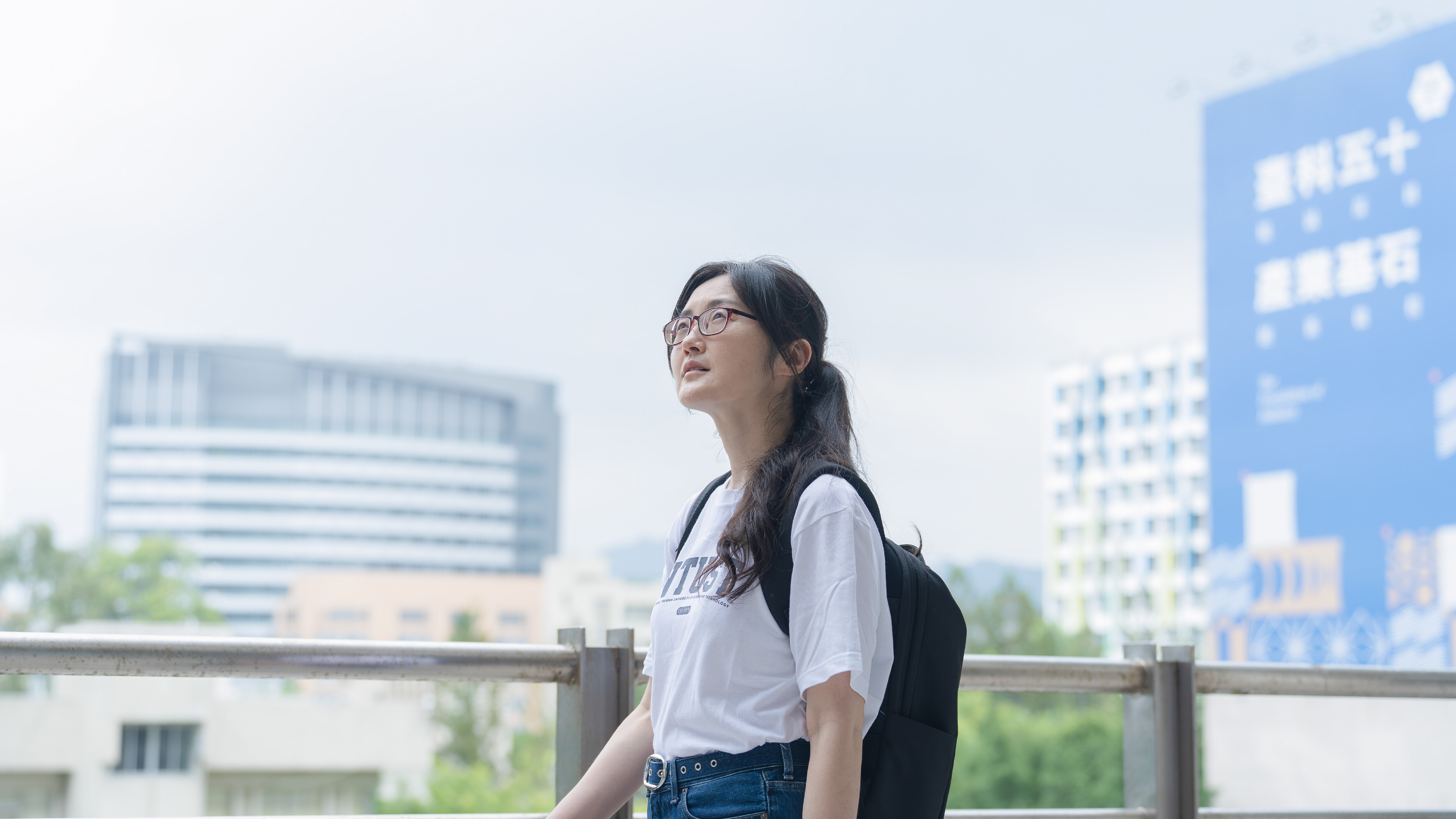
My perception of the country deepened through experiences of safety and mentorship. I remember hesitating to visit a night market at 10:00 p.m., as going out that late is considered unsafe in my home country. Seeing families and students enjoying the evening peacefully made me realize how welcoming Taiwan truly was. Later, in 2018, while collaborating with a Taiwanese company, the president and senior managers treated my colleagues and me with extraordinary generosity, welcoming us like their own children. From them, I learned about humility, dedication, and the value of community. The country is not only academically strong and technologically advanced, but also deeply human at its core. When it came time to pursue further studies, Taiwan was the only choice in my mind. Studying here represents more than academic growth for me, it is also an opportunity to return to a place that once welcomed me with kindness and to become part of a community that inspired me from my very first visit.
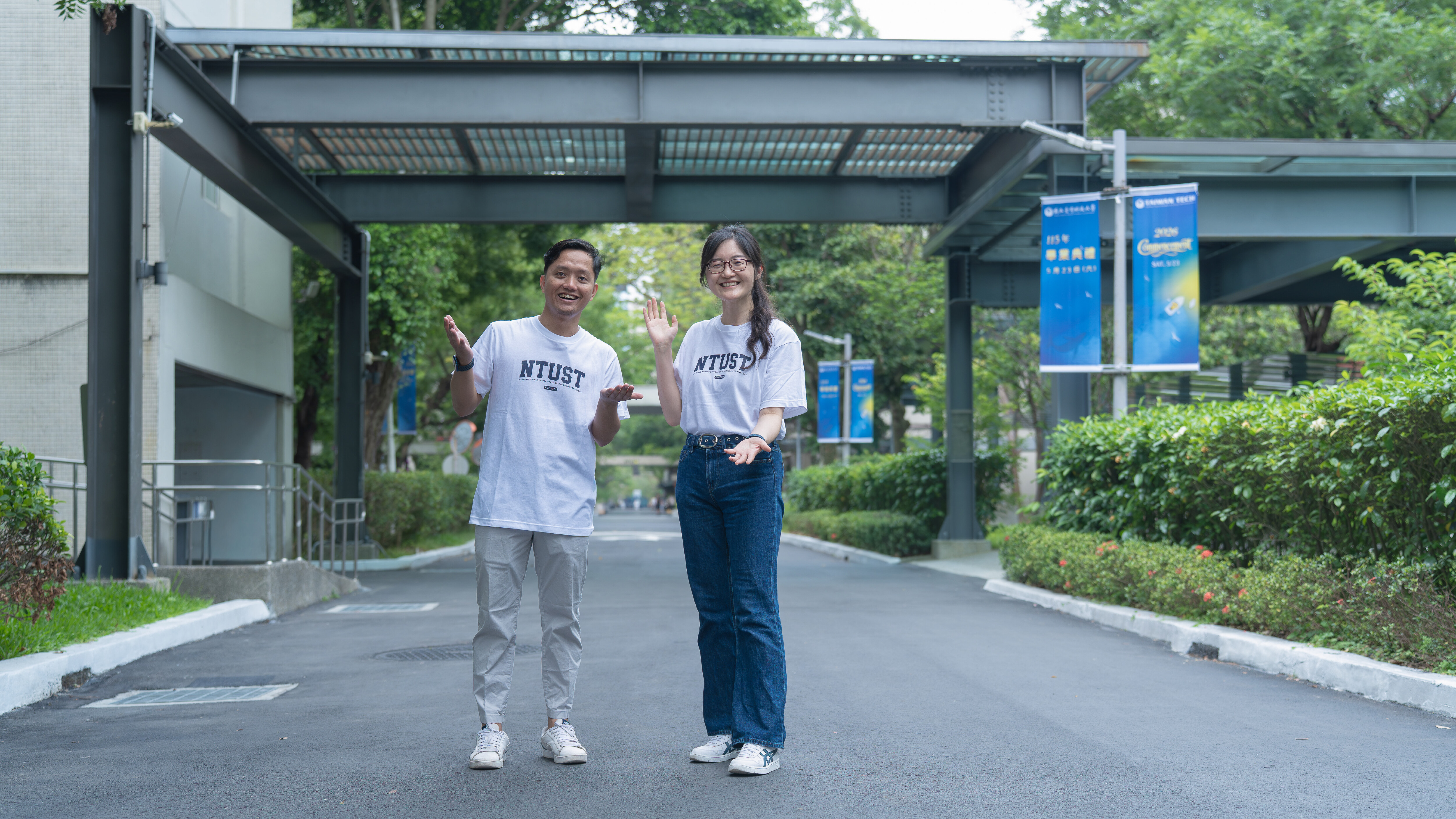
Guided by Faith: The Path to NTUST
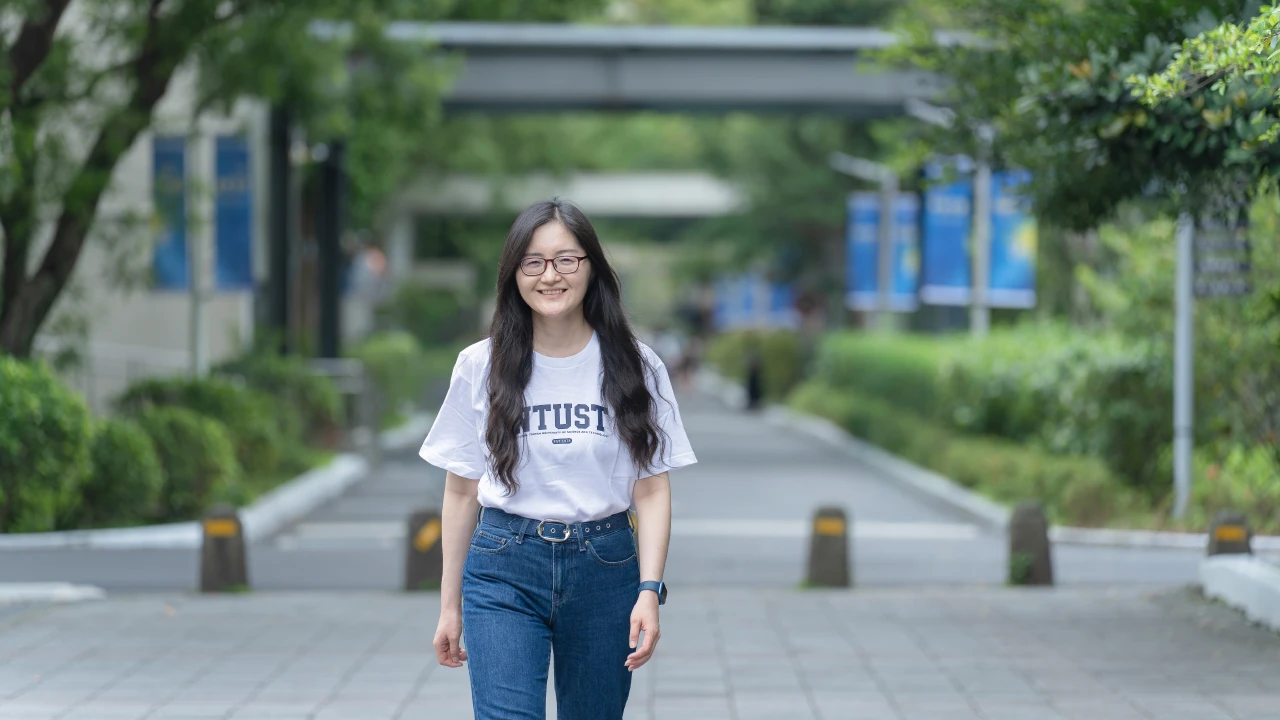
I believe that my decision to study at NTUST was guided by God’s intervention. When I first decided to pursue my studies here, I did not know which university would be most suitable; my only goal was to find a strong program in computer science. I prayed for guidance and then searched Google for the “top university in computer science in Taiwan.” The first result was NTUST. I explored the programs, liked what I saw, and applied directly without further research.
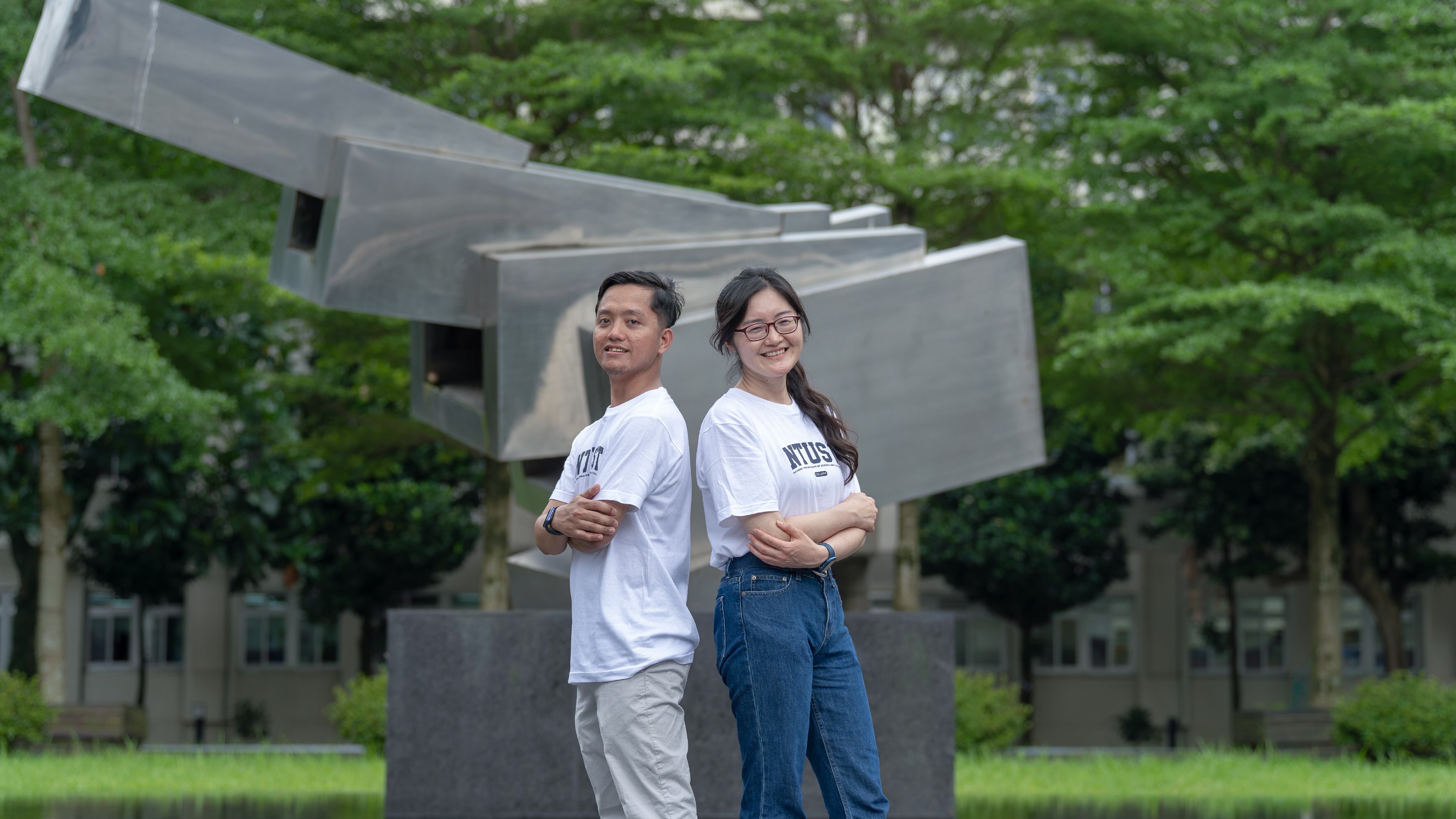
Interestingly, during my first semester, a labmate suggested I consider transferring to one of the other "famous" universities. When I tried to recreate my original search, I could no longer find NTUST on the first page of results at all. However, this only served to confirm my direction. Instead of doubting my choice, this experience strengthened my belief that my path to NTUST was not a coincidence. I felt God had guided me here for a reason, and I have never once considered changing universities.
A Mission Born from Personal Pain: AI in Healthcare
My enrollment in this program was driven by a deep desire to apply artificial intelligence to healthcare, a passion rooted in personal tragedy. In my home country of Mongolia, misdiagnosis is unfortunately common. I once suffered from a giant cell tumor in my finger that was misdiagnosed as a bone infection, leading to a month of unnecessary high-dose antibiotics. I was told the only option was amputation. Fortunately, a second opinion from a doctor who had studied in Korea saved my finger through a successful surgery.
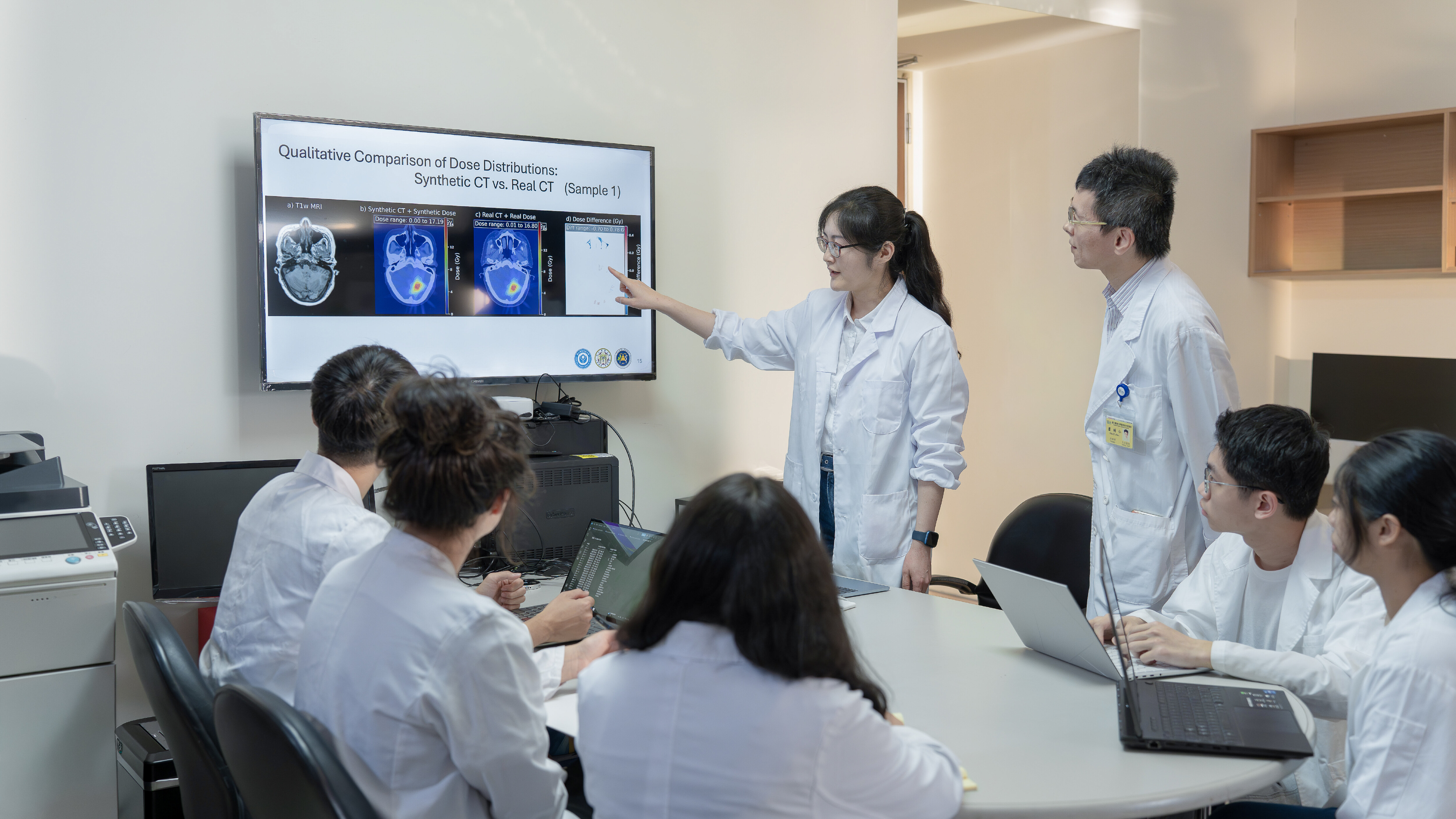
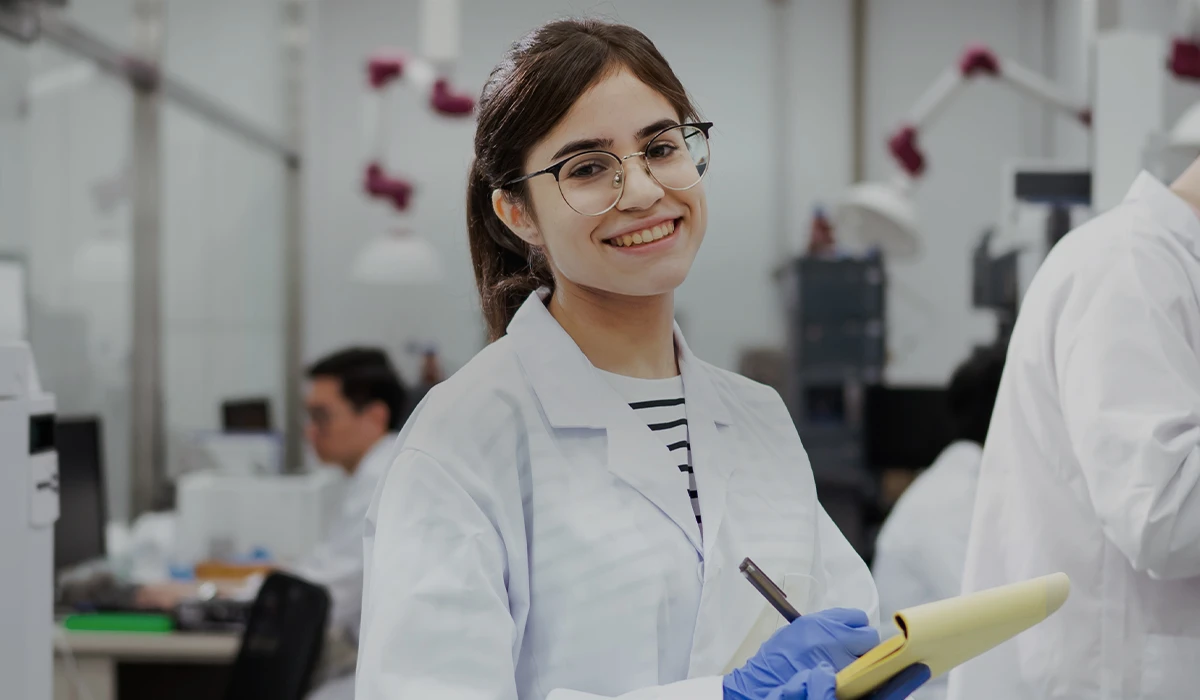
I also witnessed the impact of medical errors through a friend who permanently lost her hearing at age six due to the wrong medication. Witnessing the long-term impact of such medical errors strengthened my determination to contribute to solutions that could help prevent similar tragedies. I am now focused on developing AI-based diagnostic assistance tools to support doctors in making accurate, reliable medical decisions. I believe advanced machine learning can reduce these errors and ultimately improve patient outcomes.
The Independent Scholar: Overcoming the Language Barrier
My university is far more supportive, flexible, and resourceful than one might expect. I have particularly appreciated the academic freedom; my professors do not pressure me to follow a specific topic but encourage me to explore what genuinely interests me. This trust has allowed me to grow both academically and personally.
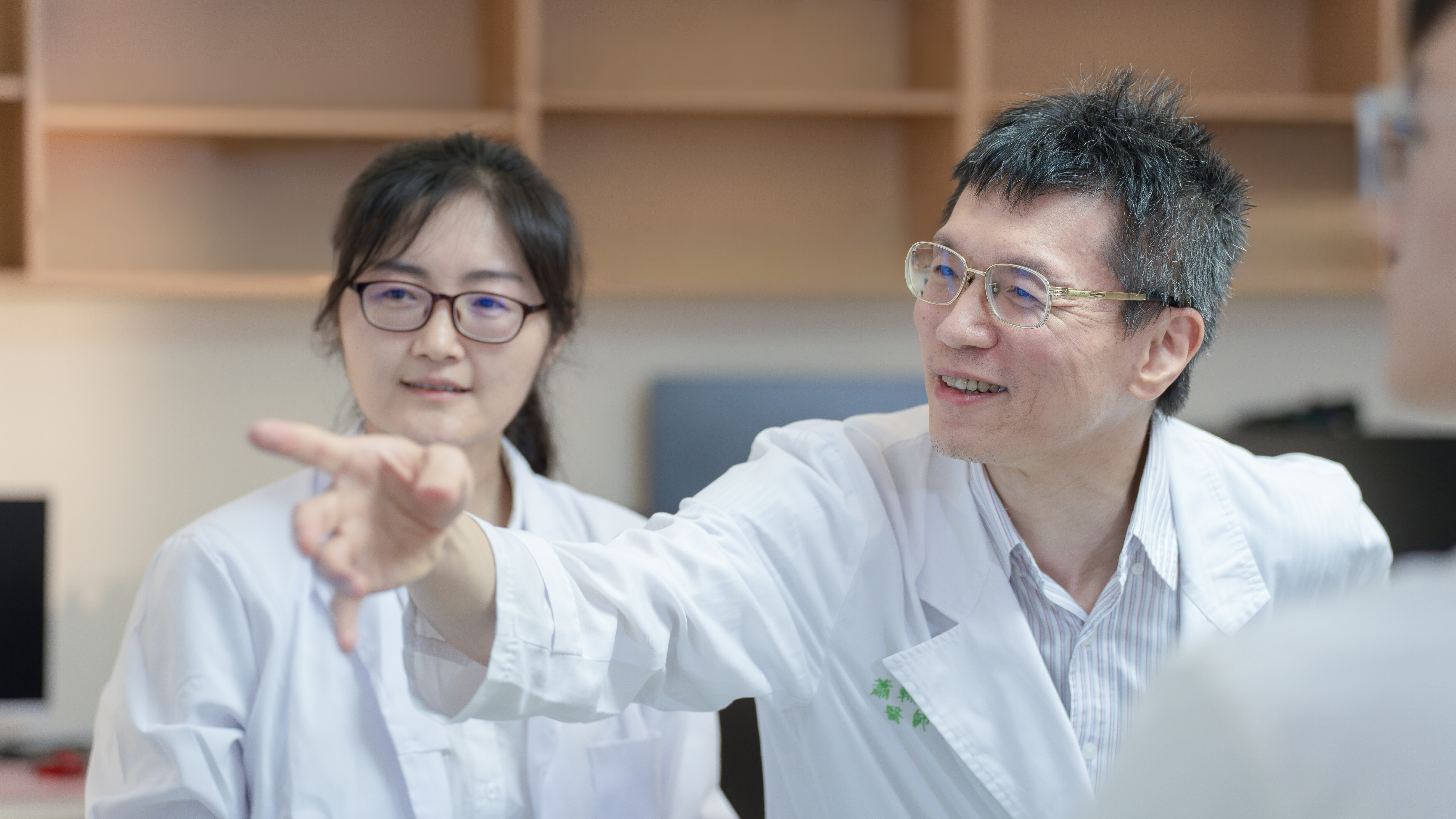
One of my greatest challenges was taking a deep learning course taught entirely in Chinese. My professor encouraged me to attend anyway, even though I could only recognize simple words like “hao” or “ni.” The presentation slides were in English, so I would write down keywords and spend hours in the library teaching myself the concepts after class. This challenge pushed me to study independently. It changed my learning habits and helped me become more independent in my studies. I am grateful for the strength and patience I found during that difficult time, as it only served to reinforce my passion for the field.
Beyond the Classroom: Community and Cultural Exchange
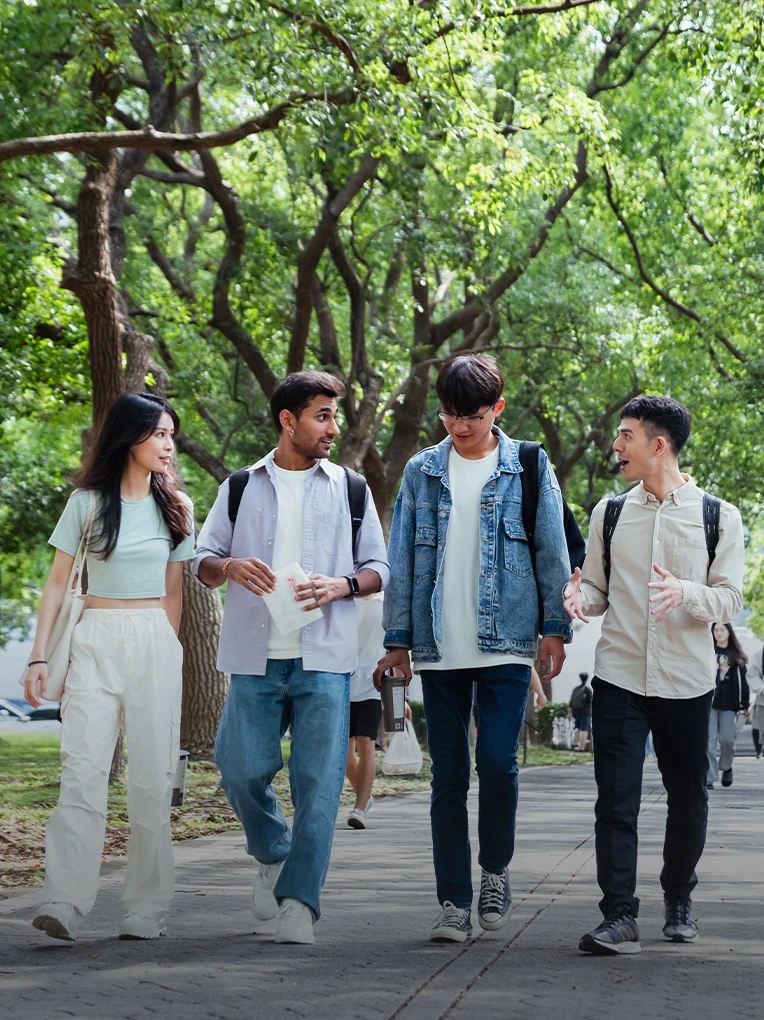
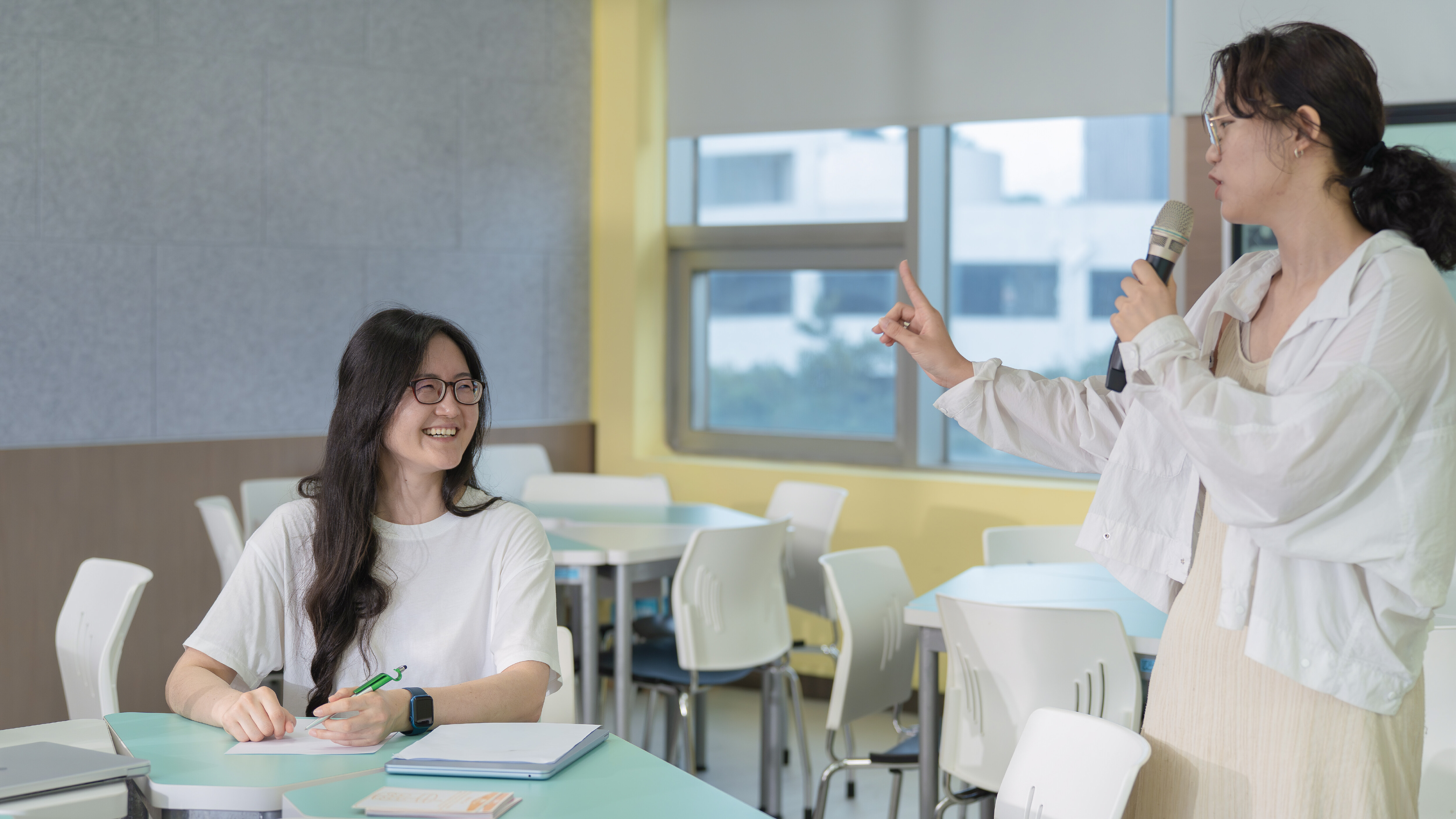
During my studies, I have sought to connect deeply with the local community. I volunteered for three semesters with the International Companions for Learning (ICL) program, connecting with children in rural public schools. I shared Mongolian traditions and geography with them, encouraging them to learn more about the world. A trip to Matsu Island remains a highlight, where I watched elderly residents exercising together to music in an open space—a beautiful display of Taiwan’s strong sense of community.
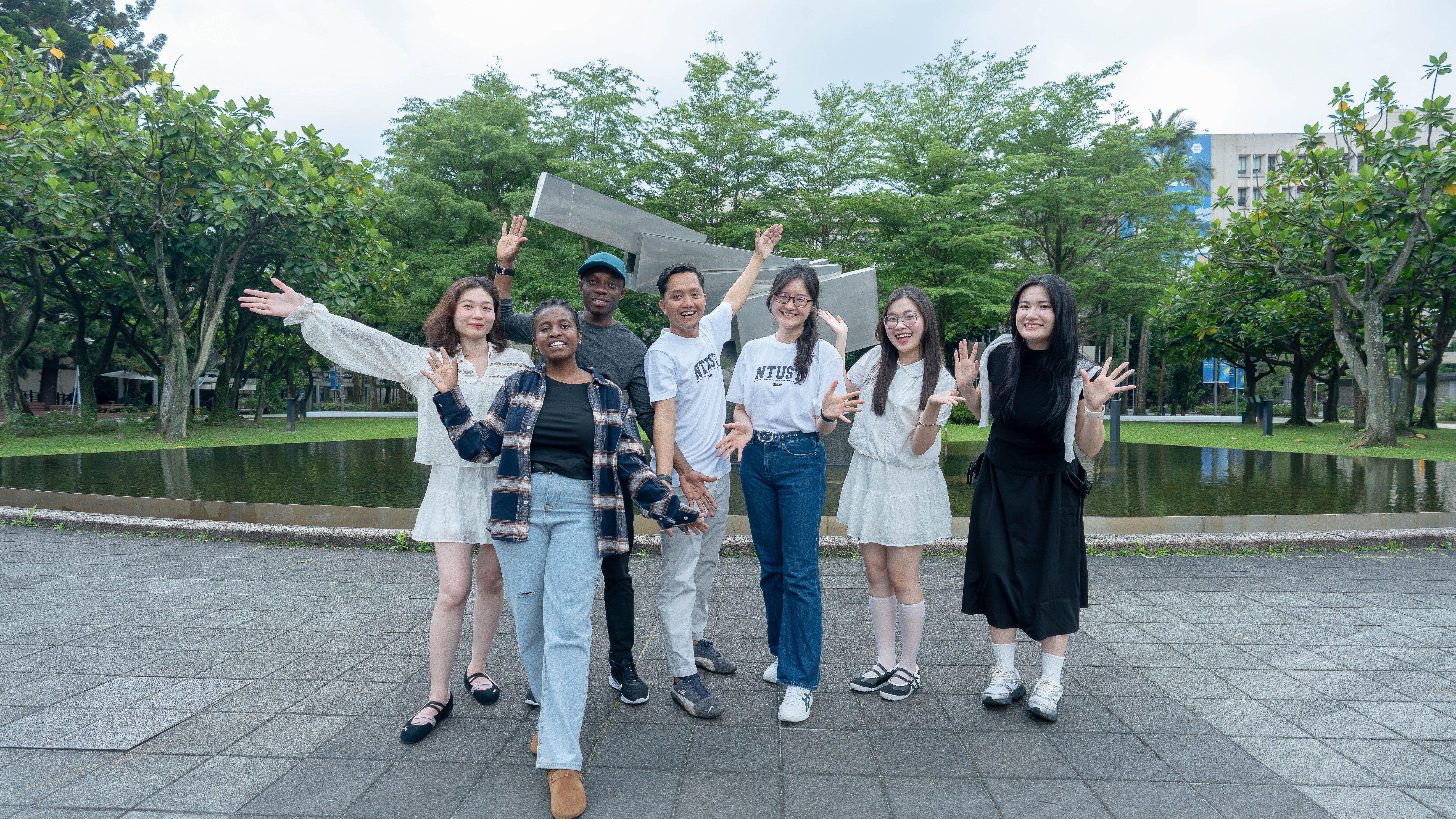
One of the most helpful learning resources is the academic alliance between three universities: NTUST, NTU, and NTNU. Through this collaboration, students can take courses offered by any of these three universities. This provides access to a wider range of professors, subjects, and research areas, which makes it much easier to study topics that match our academic interests and research goals. This flexibility has been very valuable for expanding my learning opportunities.
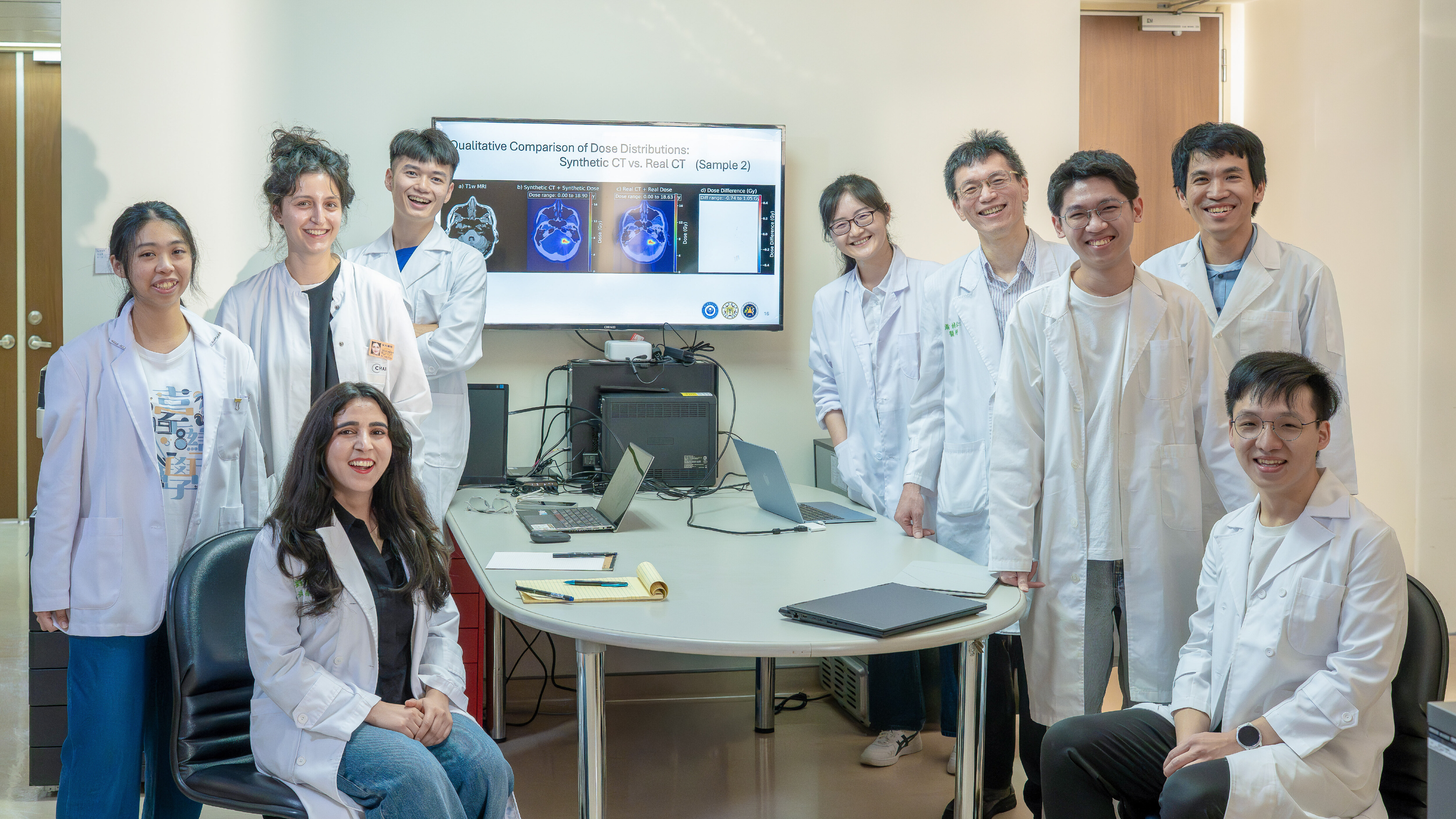
So, I have balanced my PhD studies at NTUST with a second master’s program at NTU to specialize in medical devices and imaging. I was honored to receive the Honorable Mention Award for Graduate Student Outstanding Publication at the NTU School of Medicine. Additionally, my advisor, Professor Pao, gave me the opportunity to serve as a teaching assistant and even lecture at Chenggong High School. Explaining complex AI concepts to younger students has been incredibly meaningful and has helped me discover a genuine love for education. Sharing my knowledge with younger students was a meaningful experience and reinforced my interest in education and knowledge sharing.

These experiences helped me develop skills in research, teaching, and cultural exchange while studying in Taiwan.
An Academic Future in Taiwan
While I have not fully decided on my next step, I often pray and reflect on my future. One direction that strongly interests me is an academic career. Through the opportunities provided by my advisor, I realized that I truly enjoy explaining ideas and being part of the academic environment. My goal is to continue researching artificial intelligence in healthcare and eventually develop meaningful solutions that can help doctors make more accurate diagnoses.
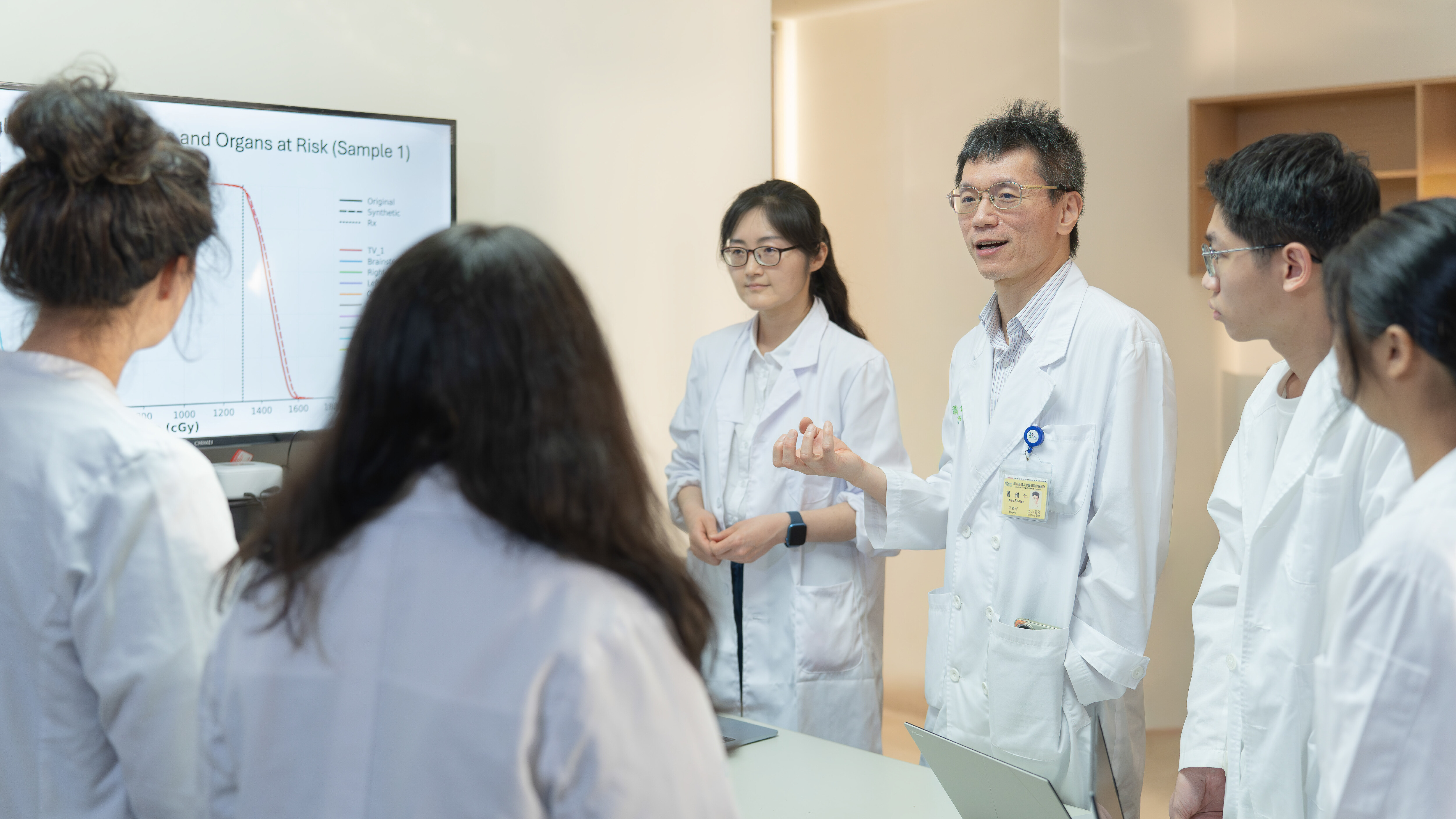
Taiwan has provided a very supportive academic environment, strong research resources, and many opportunities for learning and collaboration. Because of these positive experiences, after my graduation, if there is an opportunity to apply for a faculty position, I would be very happy to apply and continue contributing to the academic community in Taiwan, if it is God’s will for my life.