A Vision for Global Learning
I decided to study in Taiwan because receiving a scholarship provided me with a fantastic opportunity to continue my advanced studies. One of the main draws was that my program is international, which allows me to practice using English in class while simultaneously learning Mandarin—a skill I know will be incredibly useful for my future. I truly appreciate the learning environment here; studying alongside people from so many different countries and cultures has helped me make new friends from Taiwan and across the globe. It has been a deeply meaningful experience for both my academic progress and my personal growth.
The Heart of Geotechnical Research
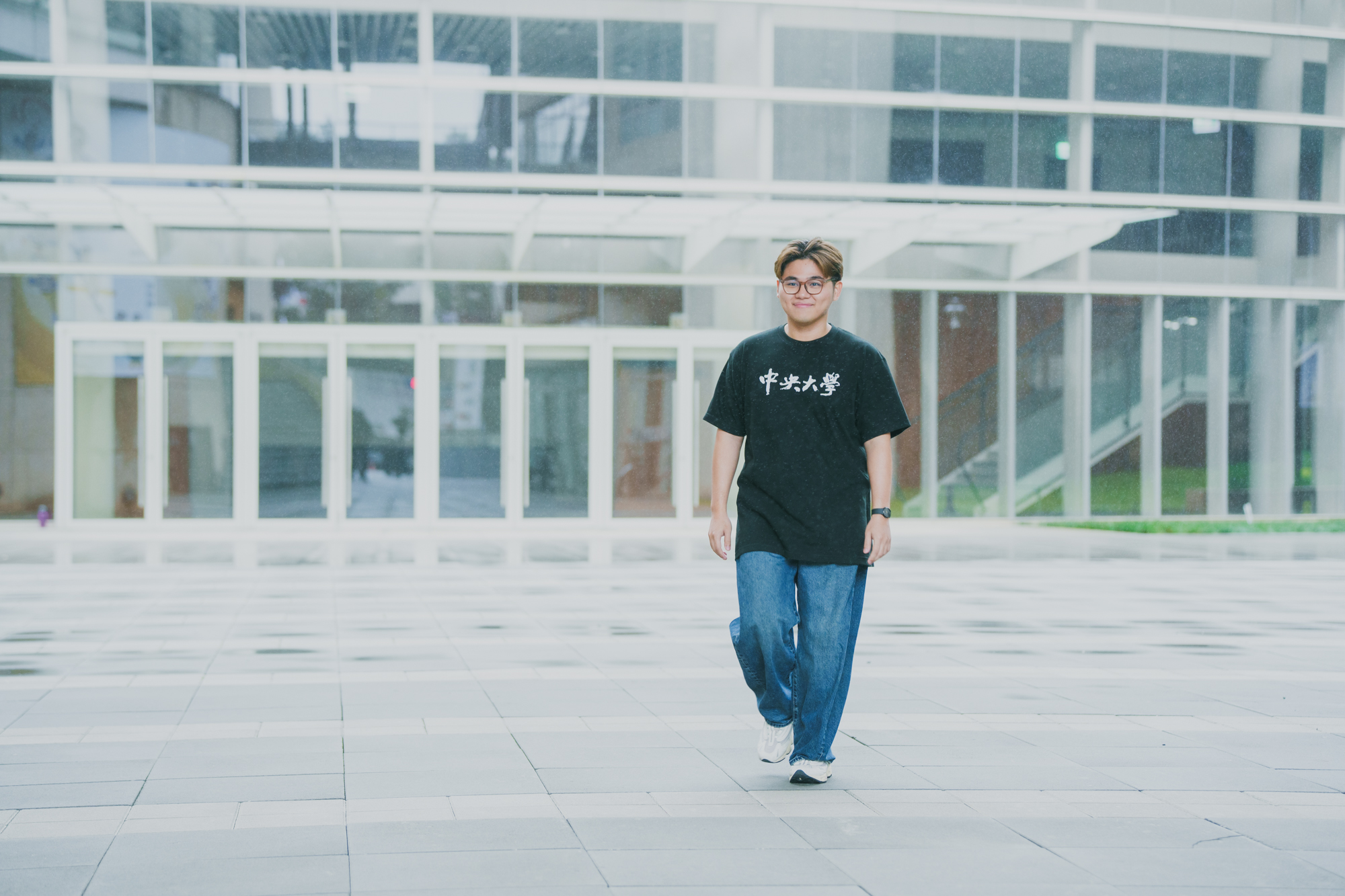
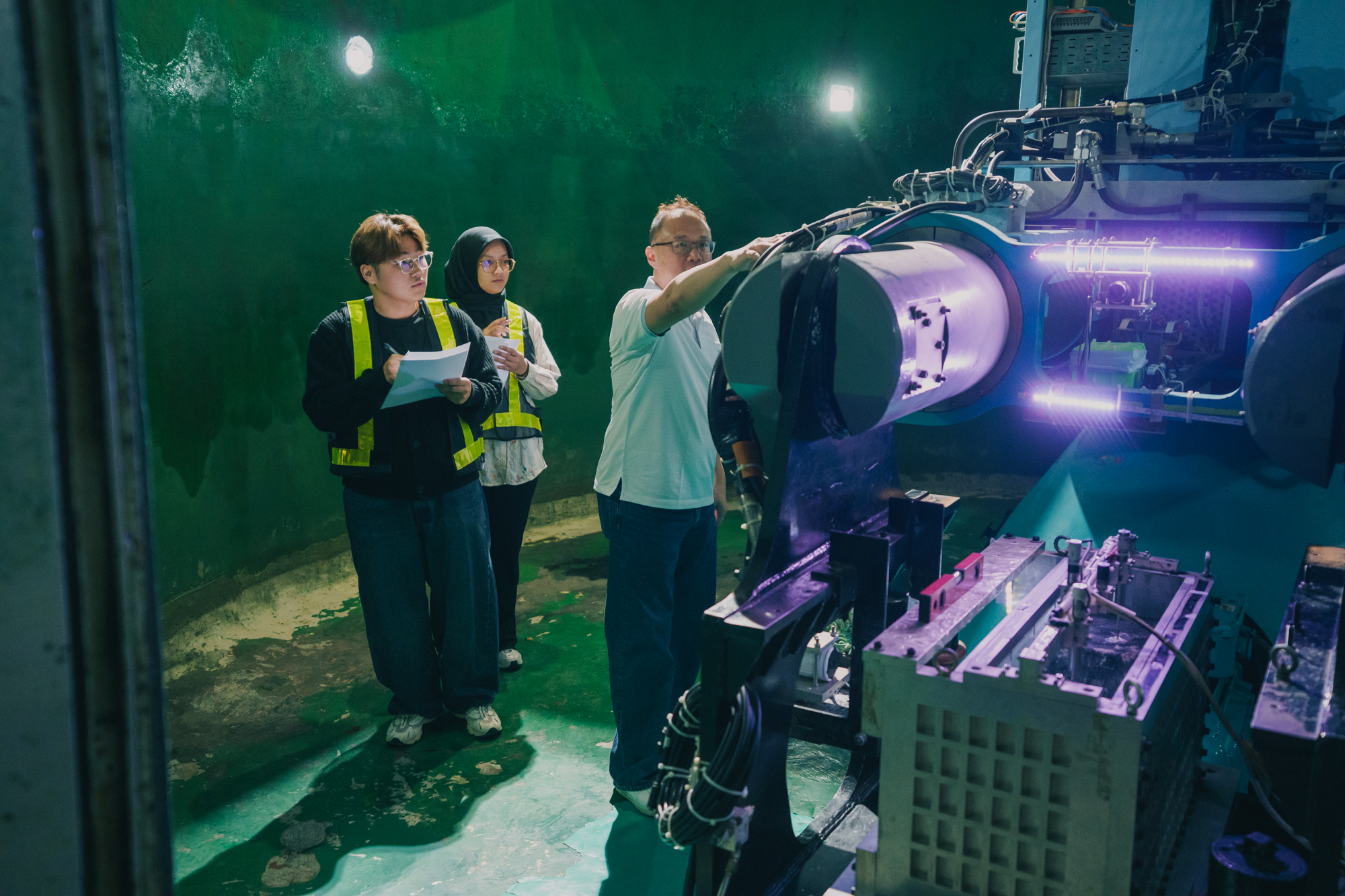
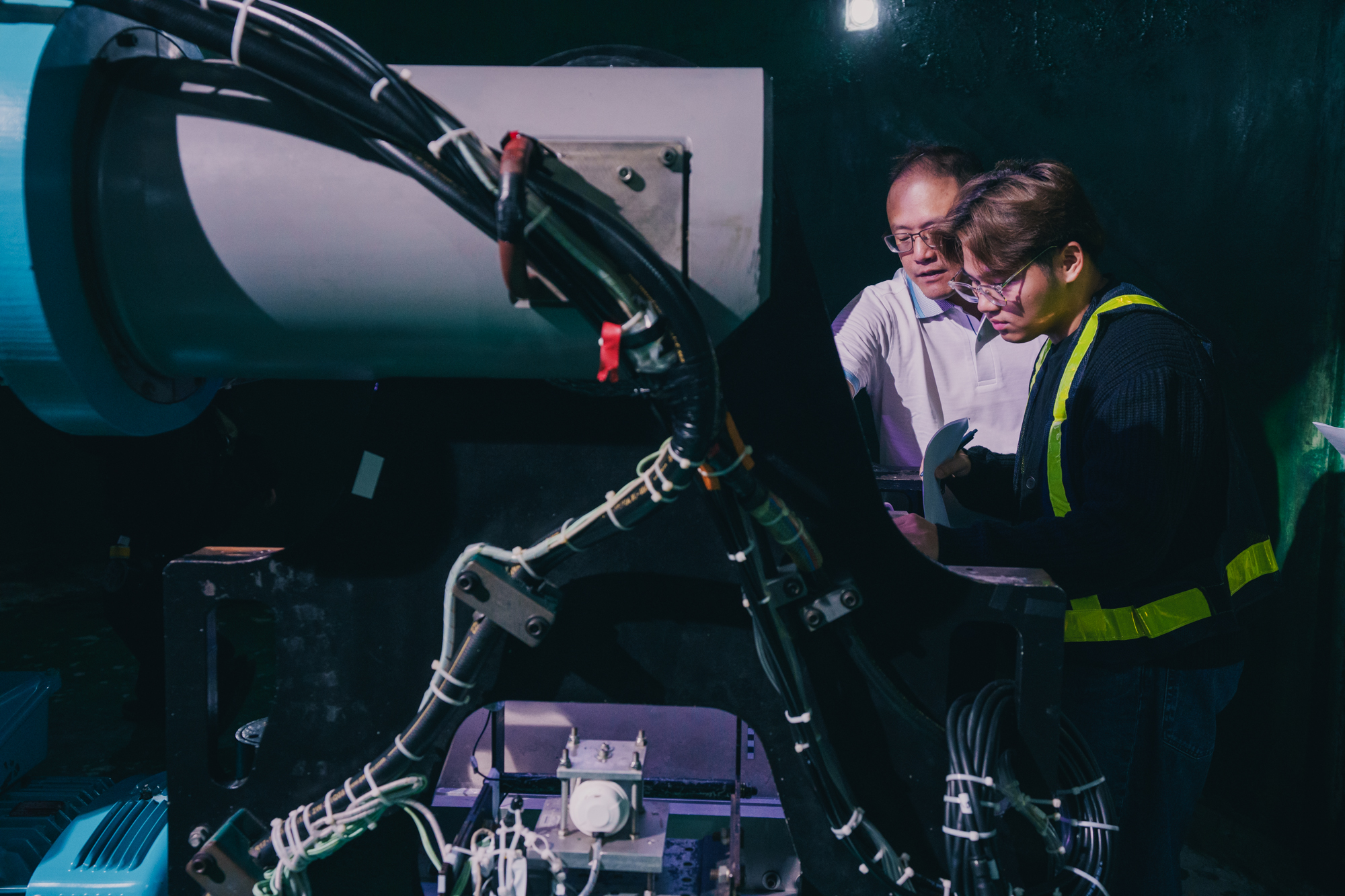
I chose National Central University (NCU) for two primary reasons. First, my academic advisor is a renowned expert in geotechnical engineering, specifically in the field of centrifuge modeling. NCU actually houses the only centrifuge laboratory in Taiwan. Our research team works closely with the government on various geotechnical projects, which means my professors possess strong practical experience and an extensive background in research. I was eager to learn from their deep knowledge and professional history.
Secondly, the university provides excellent financial support and scholarships. This assistance has allowed me to live and study in Taiwan comfortably, allowing me to focus on my PhD without the burden of heavy financial pressure.
An International Community in a Green Sanctuary
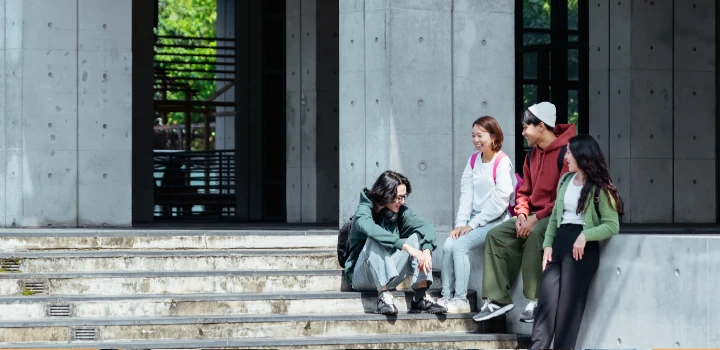
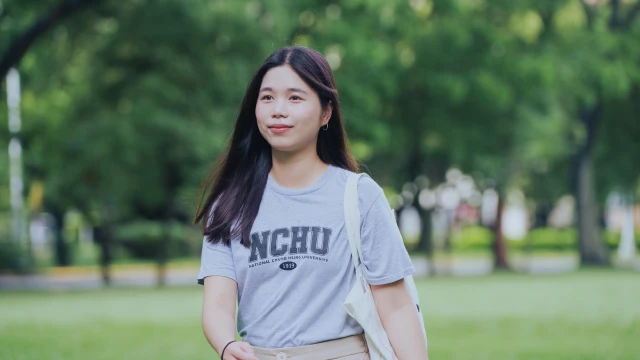
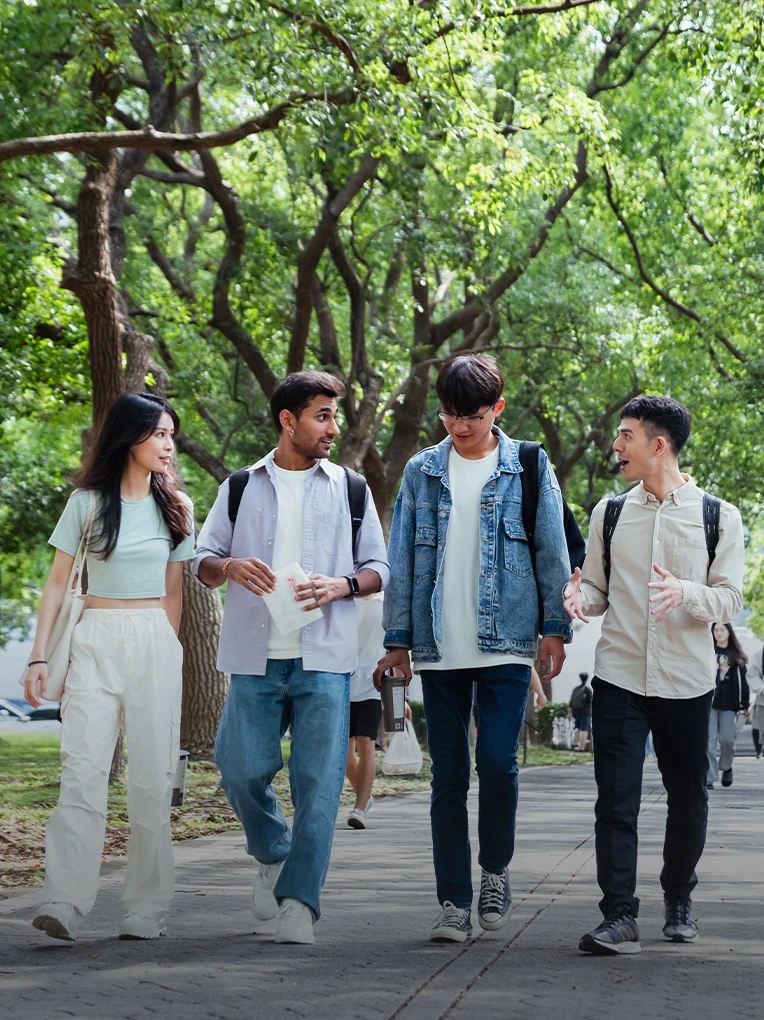
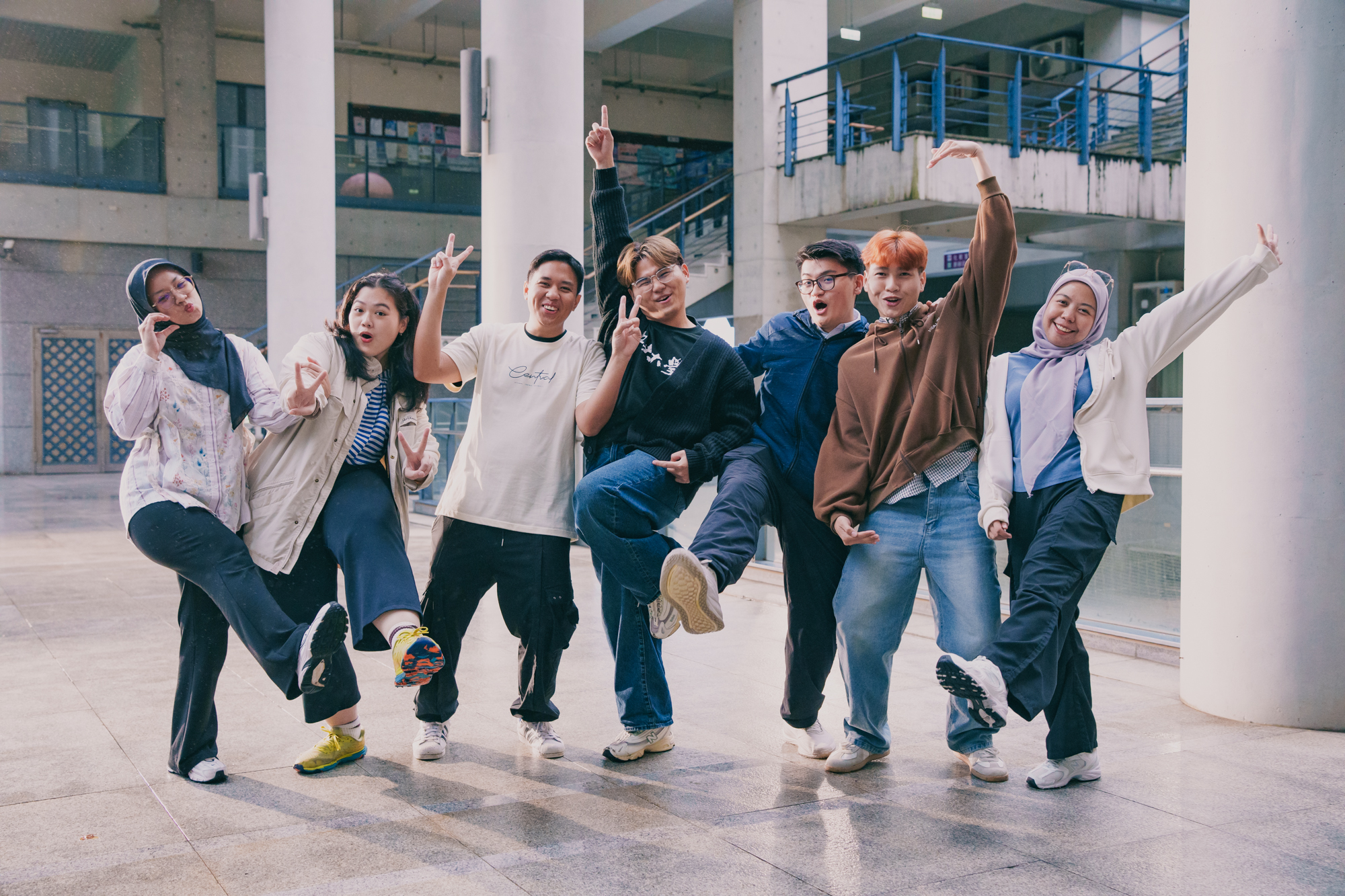
If I had to describe my university in three words, I would say it is far more comfortable, international, and supportive than you might think. The campus is beautiful and green, filled with trees that make it a pleasant and safe place to live. On weekends, I enjoy having picnics on campus with friends or going for a safe jog around the grounds. There are always others running as well, which creates a very friendly atmosphere.
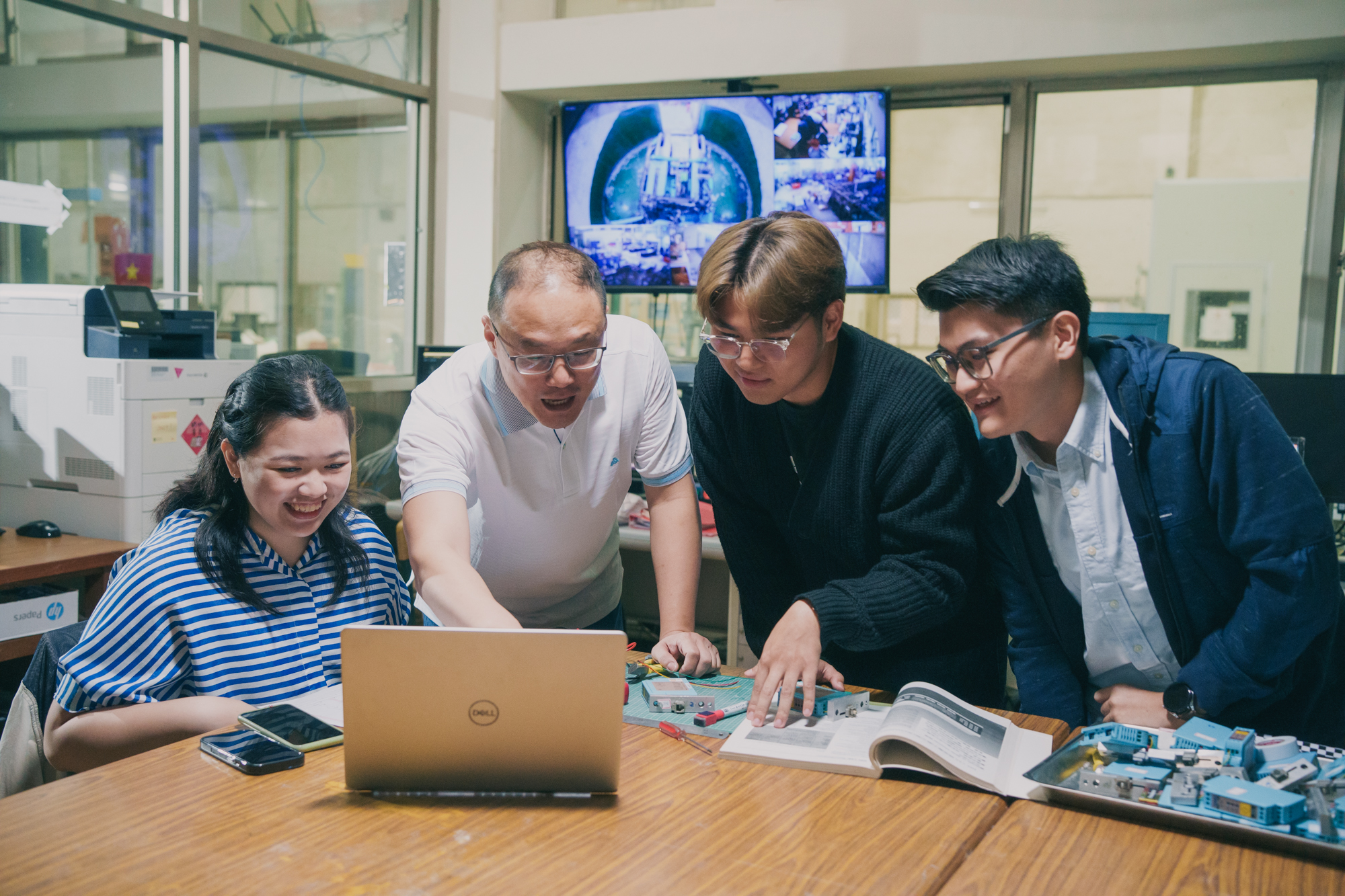
Our community is truly multicultural, with students and staff from all over the world studying and living together. Within my own program, I work with classmates and lab members from Taiwan, Vietnam, Indonesia, France, and beyond. This diversity has opened my mind and taught me how to collaborate with people from vastly different backgrounds. The bilingual nature of the teaching is particularly interesting to me, as it gives us a platform to practice English together, which is essential for our future careers.
Practical Mastery and Digital Innovation
My time in Taiwan has been defined by both digital advancement and hands-on experience. I recently joined a specialized short course on applying AI to research, which taught me how to use artificial intelligence to improve and extend my work. As a direct result of the knowledge and practical ideas I gained from that course, I have already submitted two journal papers that incorporate AI applications.
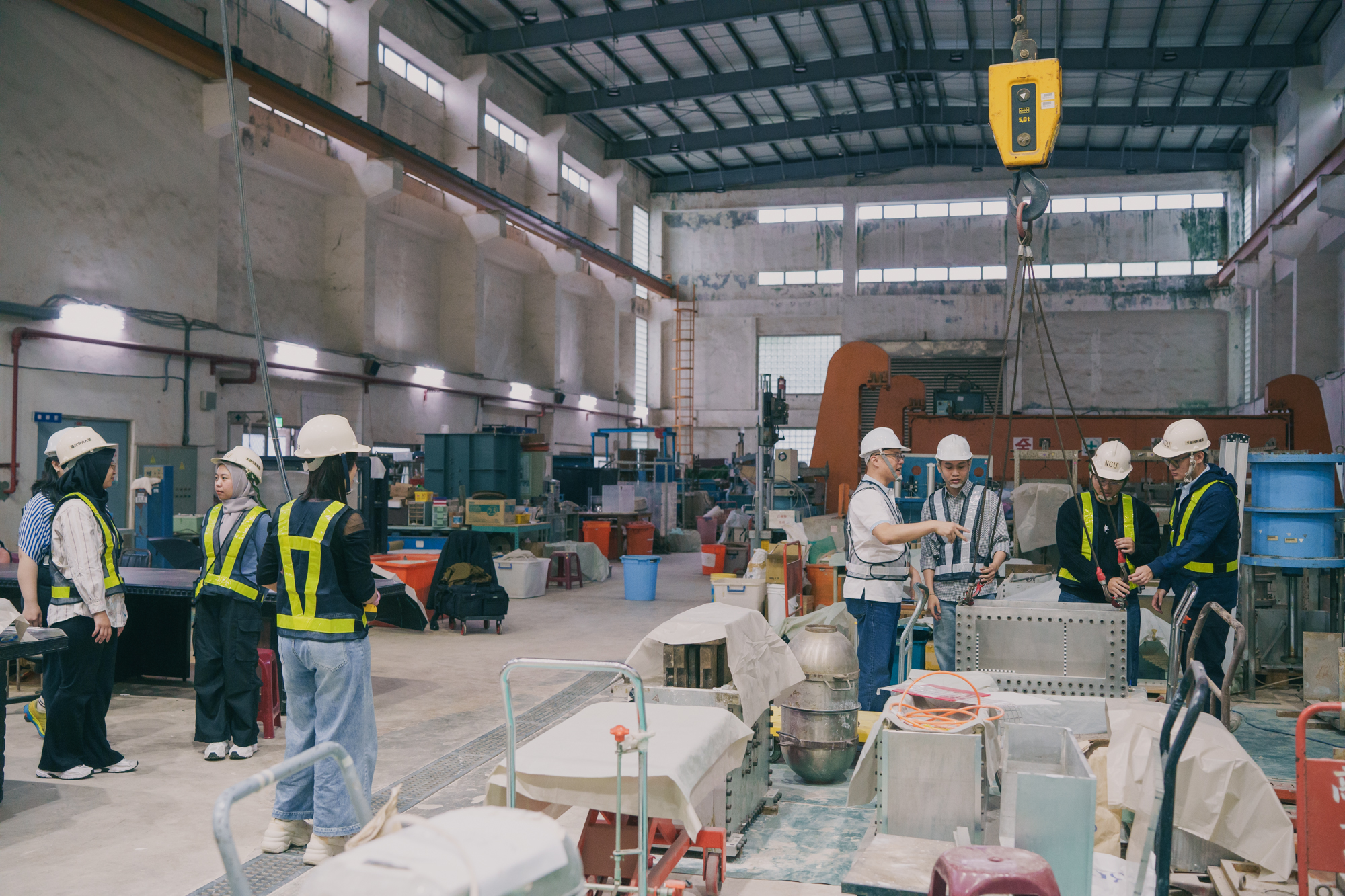
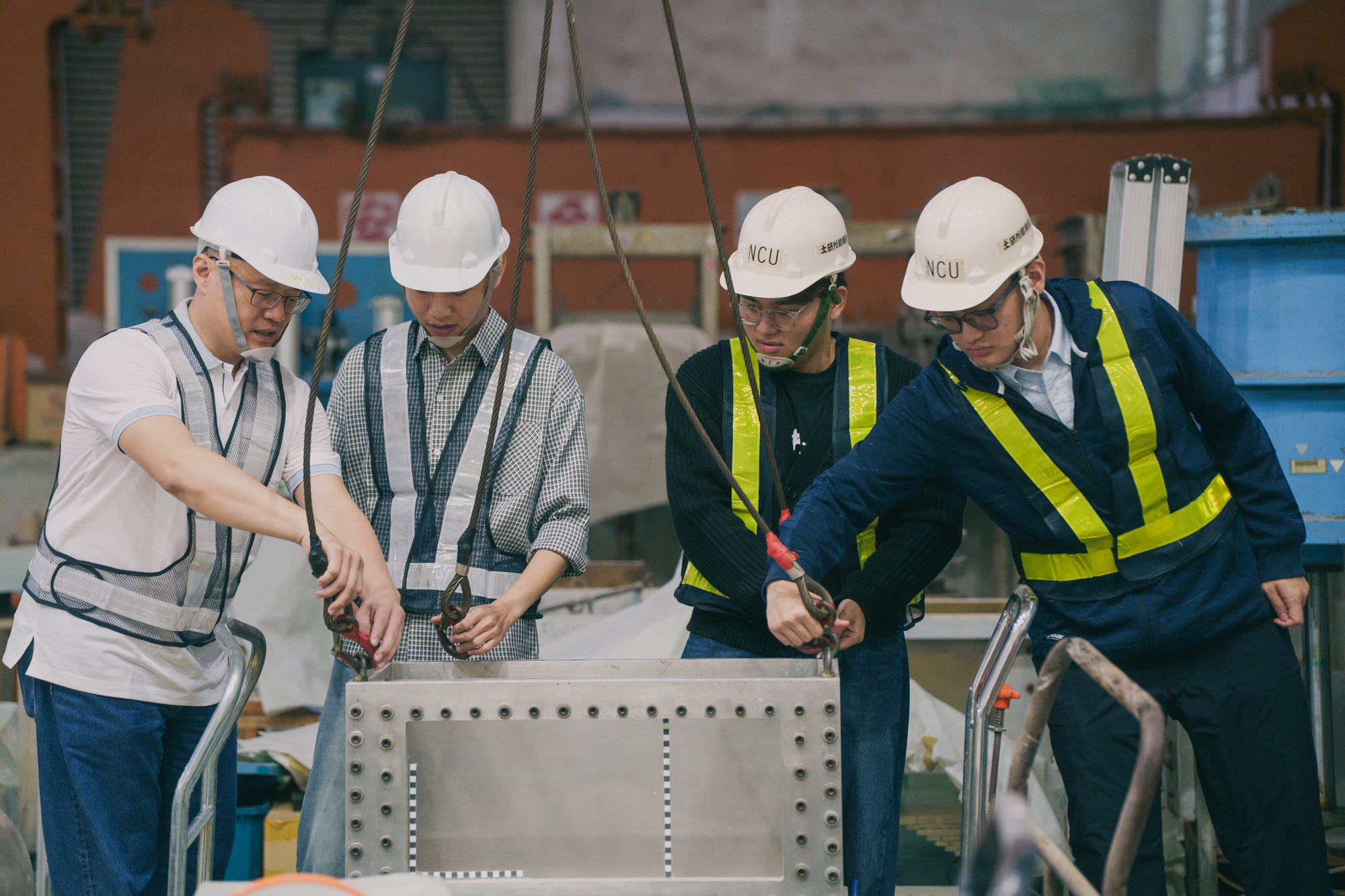
Beyond the digital realm, the university provides invaluable hands-on learning. I had the opportunity to go on a site visit to a subway tunnel construction project with my department. It was an eye-opening experience; I didn't expect to visit a real, active construction site in Taiwan. Having professors explain the construction process directly on-site helped me understand the material much better than I ever could have in a traditional classroom. Learning real-world construction methods from an actual project was a highlight of my studies.
Cultural Exchange and the Language Journey
The university goes beyond academics to foster cultural understanding. I participated in the university’s Food Culture Day, where I had the chance to try dishes from many different countries. I even cooked Thai food for my international friends to share my own culture; everyone really enjoyed it, especially the signature spicy flavors of Thailand.
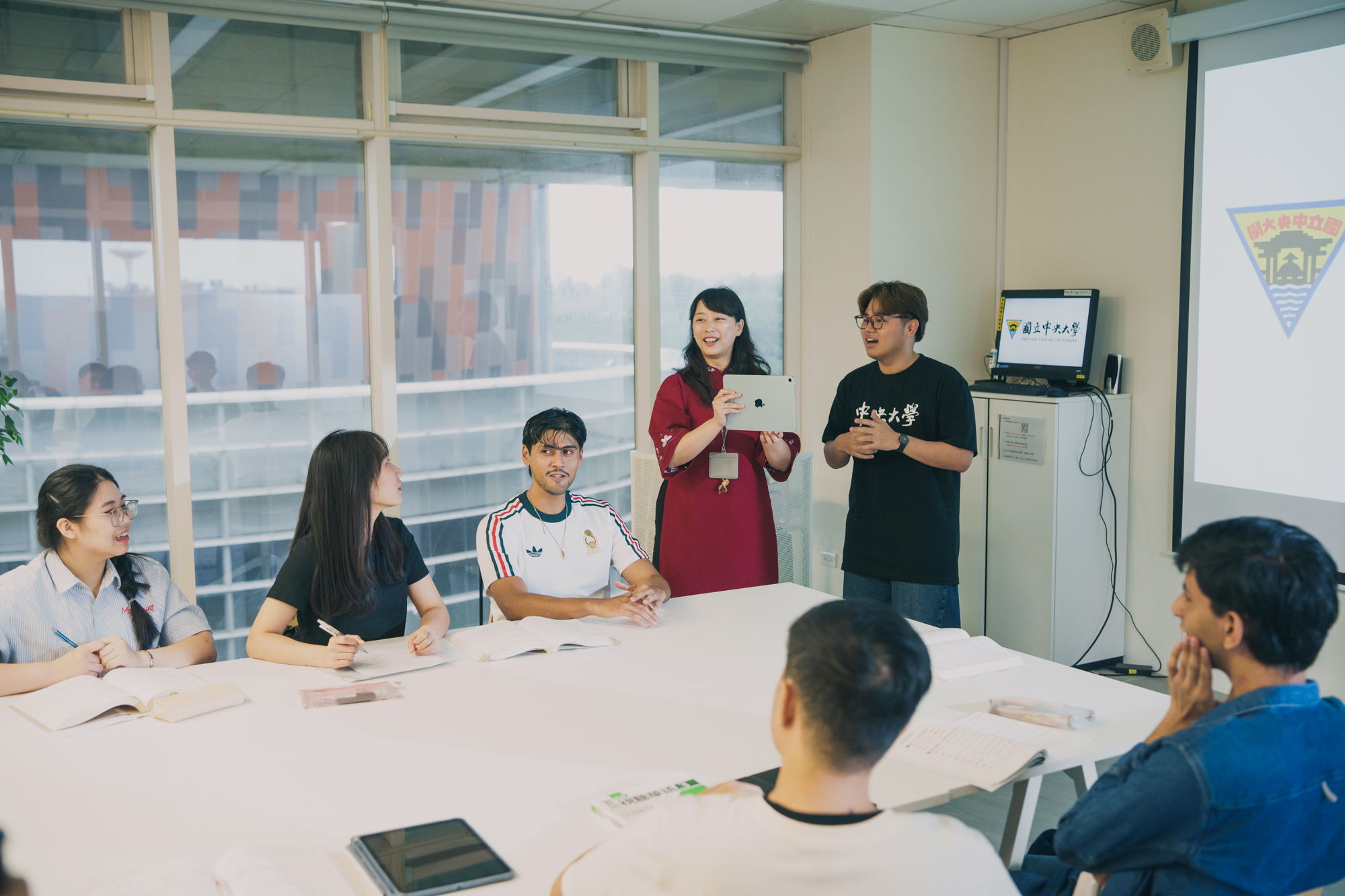
Of course, living here means navigating the local language. The most challenging part of learning Mandarin for me has been the speaking and pronunciation. At first, it was difficult to speak with any confidence. However, the university provides Mandarin classes focused on daily communication, starting from the basic level. This has been incredibly helpful because I can now use Mandarin in real-life situations, like shopping or chatting with local people and my Taiwanese friends.
Forging a Path Between Taiwan and Thailand
As a PhD student, I rely heavily on the university’s library services to access the research papers and journals necessary for my work. The university also frequently organizes academic conferences and research seminars, which keep me updated on new research topics and provide a goal for the future: I hope to one day present my own research at these events.
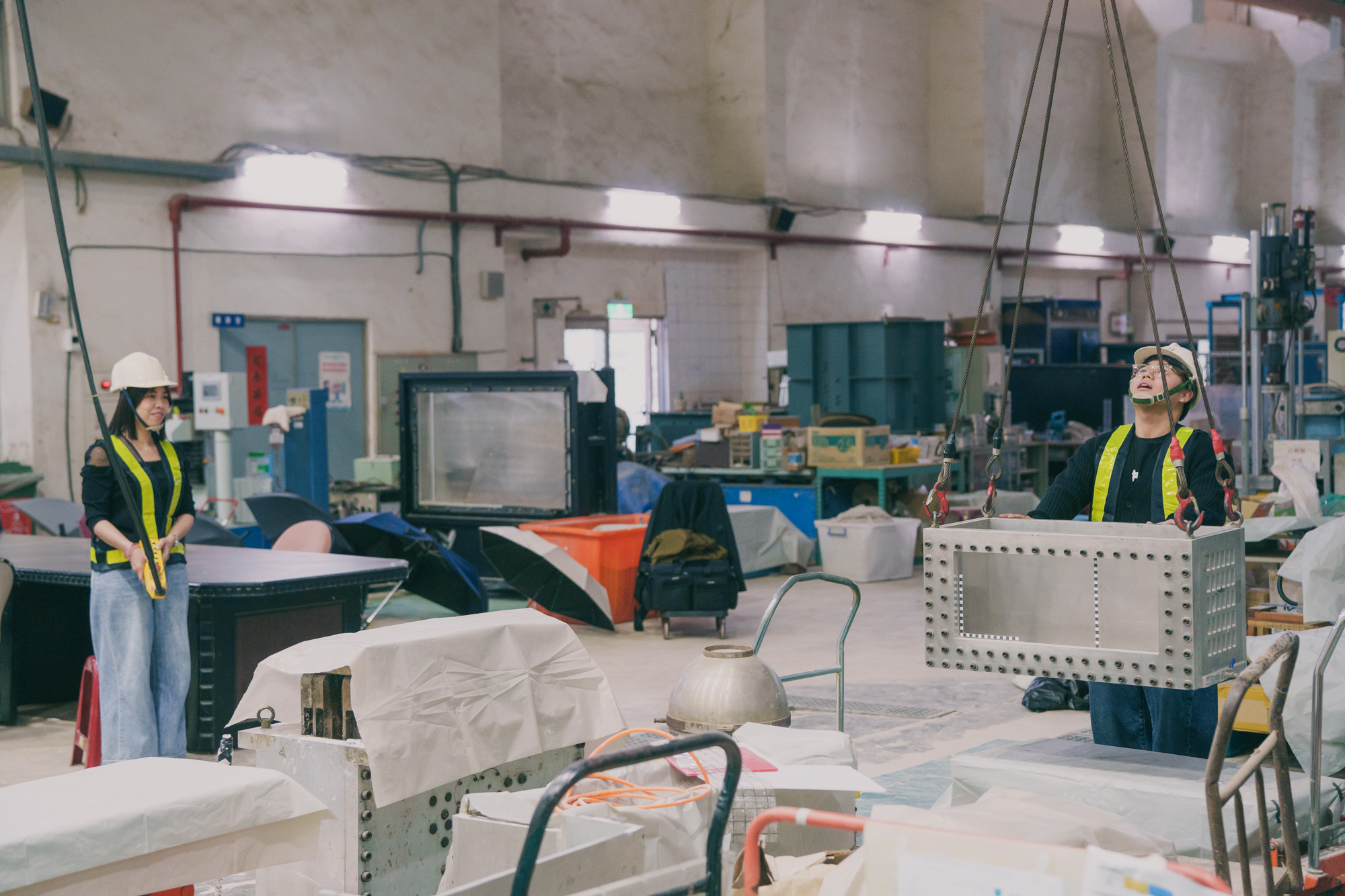
The school provides good opportunities to connect with industry through academic seminars, site visits, and industry–university collaboration projects. My professors also work closely with government and industry partners in geotechnical engineering. From these activities, I can learn how real engineering projects are done in practice. These experiences help me better understand what skills are needed in my future career. They also help me see how my research can be applied to real engineering problems in the professional world.
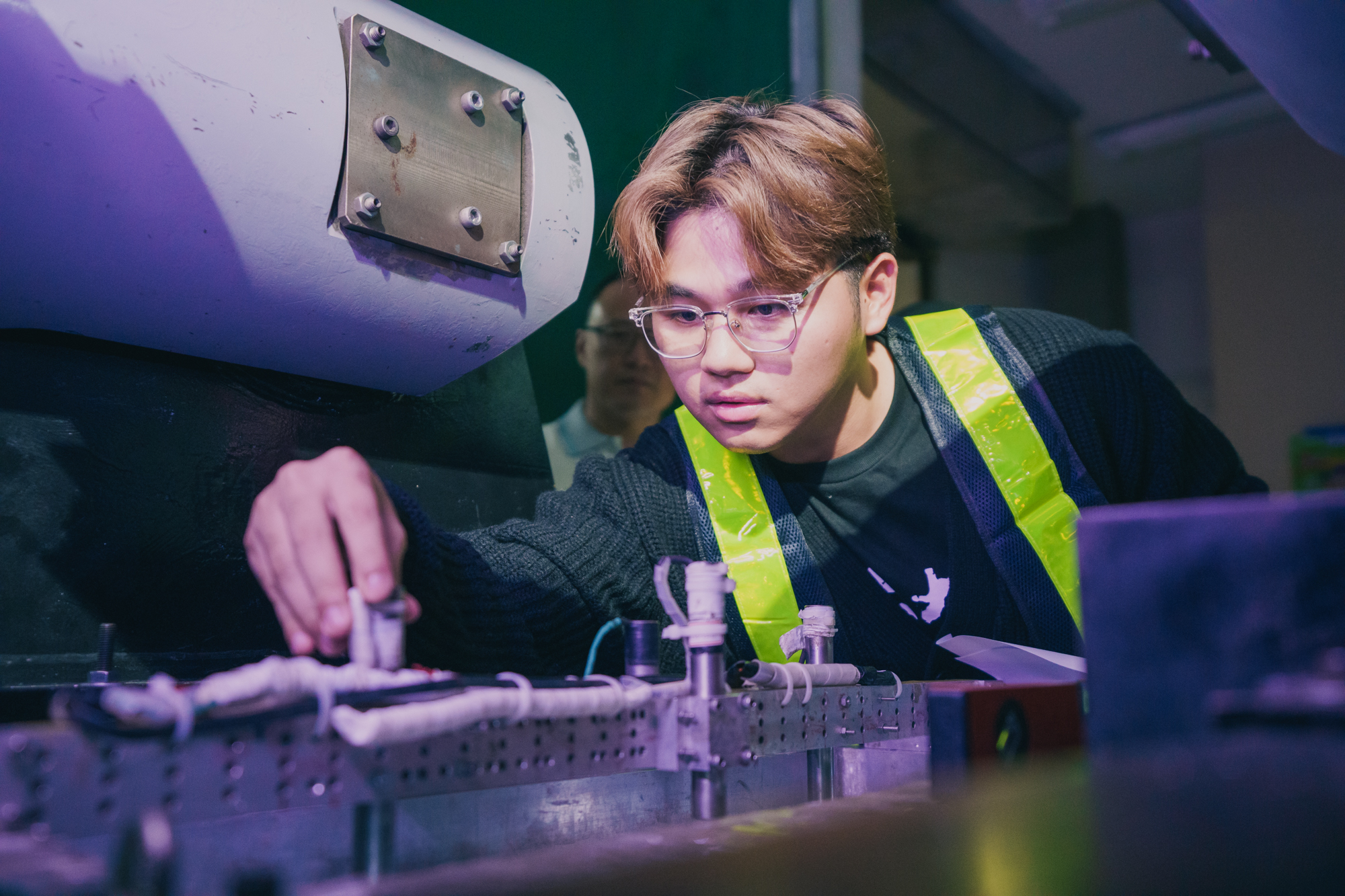
After graduation, I see working in Taiwan as a very strong possibility. I would like to work on government-related projects here to gain more professional experience. Eventually, I plan to return to Thailand to continue my career as an engineer or perhaps as a university lecturer, sharing the skills I’ve learned in Taiwan with students back home. My experience here has allowed me to build a vast network, and I hope to maintain these international research collaborations for years to come. I am very happy and grateful to have the opportunity to study in Taiwan.