Taiwan is an incredible place to learn more about the Asia region, as well as being one of the best places in Asia for a foreigner to live.
Learning at the Heart of the Asia-Pacific
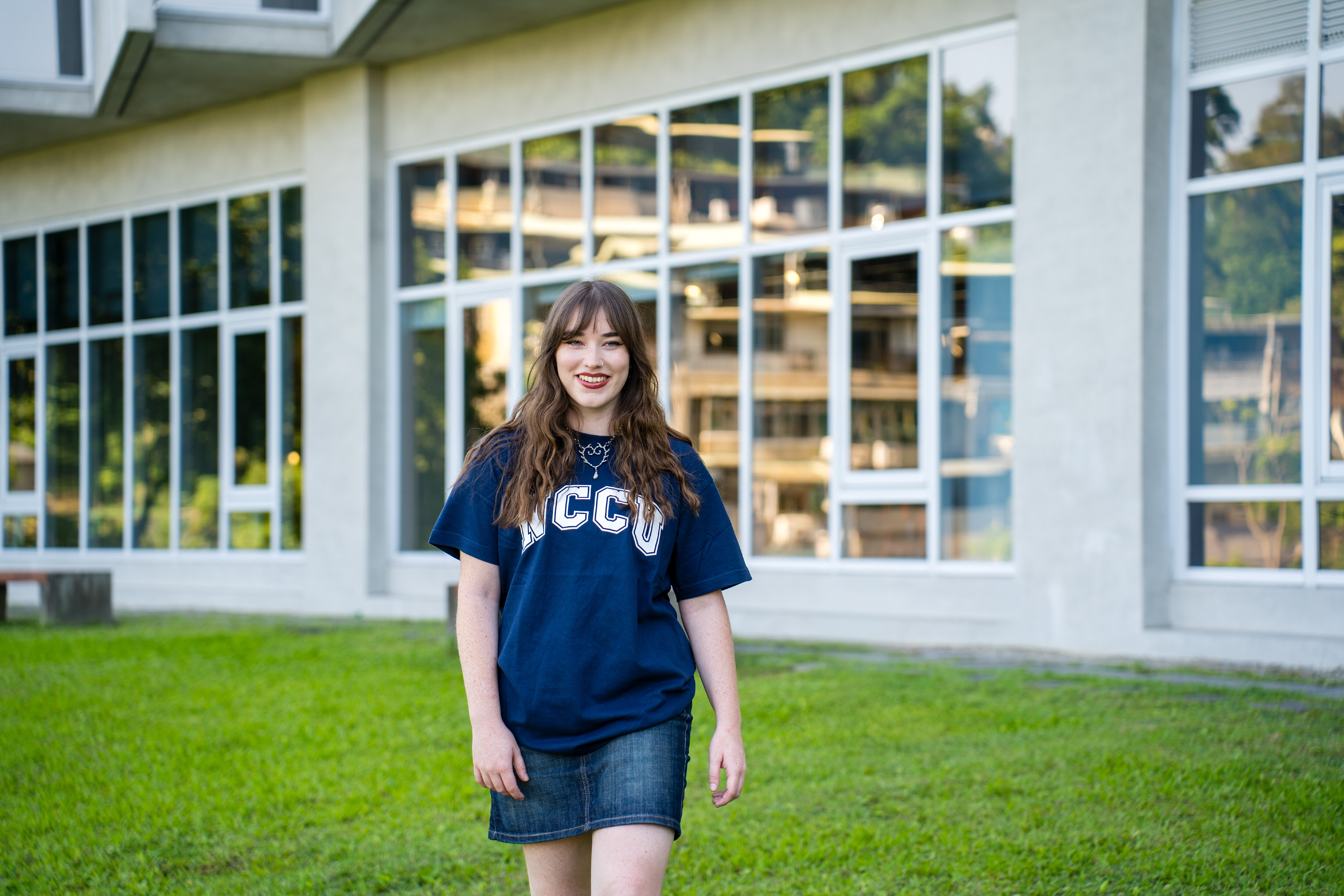
My decision to study in Taiwan was influenced by many things—including my previous experience studying Mandarin (Chinese) at National Tsing Hua University in 2022 for three months, falling in love with Taiwan through that experience, receiving a scholarship to do my master’s, and being really passionate about Asia-Pacific studies. Taiwan is an incredible place to learn more about the Asia region, as well as being one of the best places in Asia for a foreigner to live. Growing up, I lived in many different countries throughout Asia—but Taiwan is still my favourite.
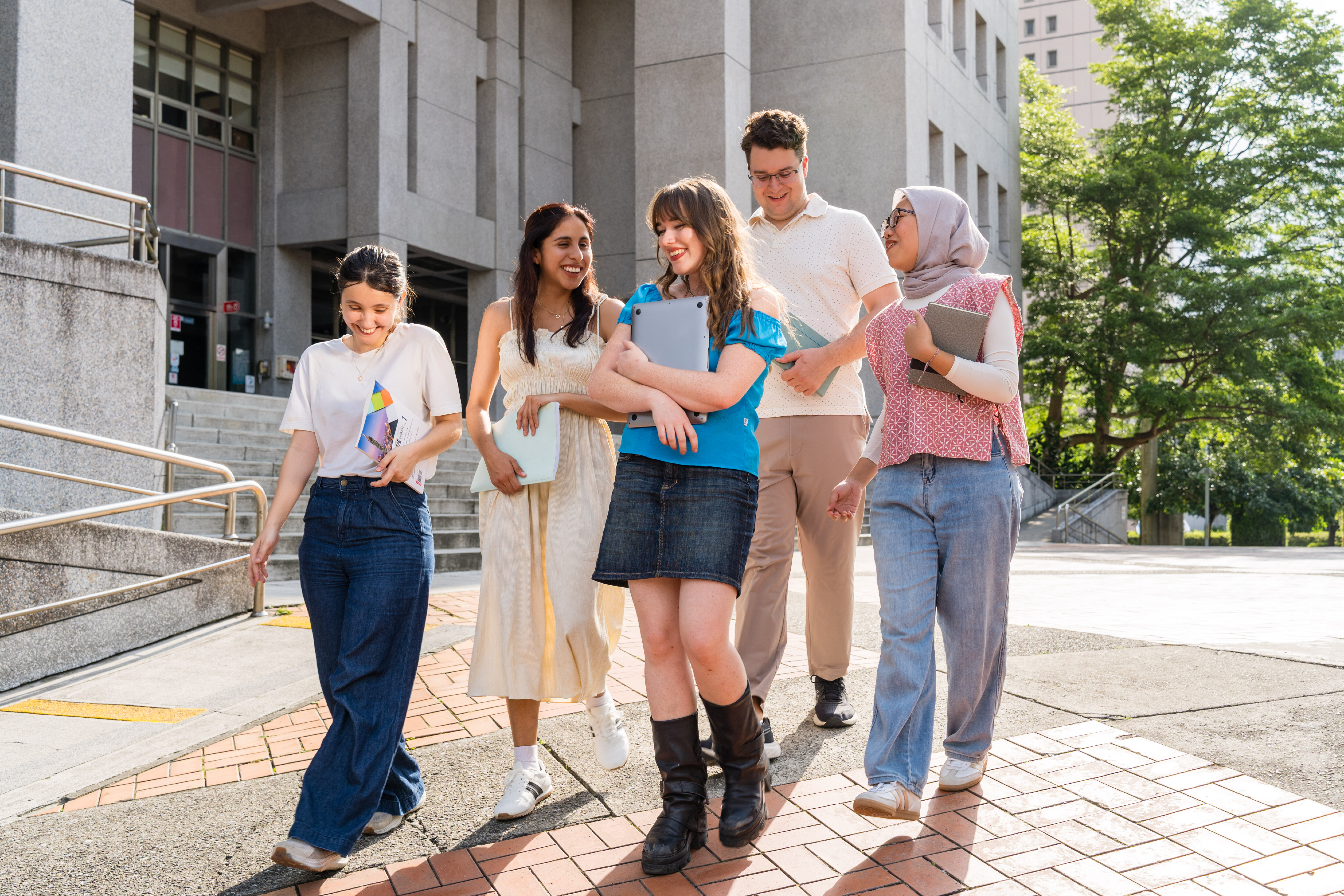
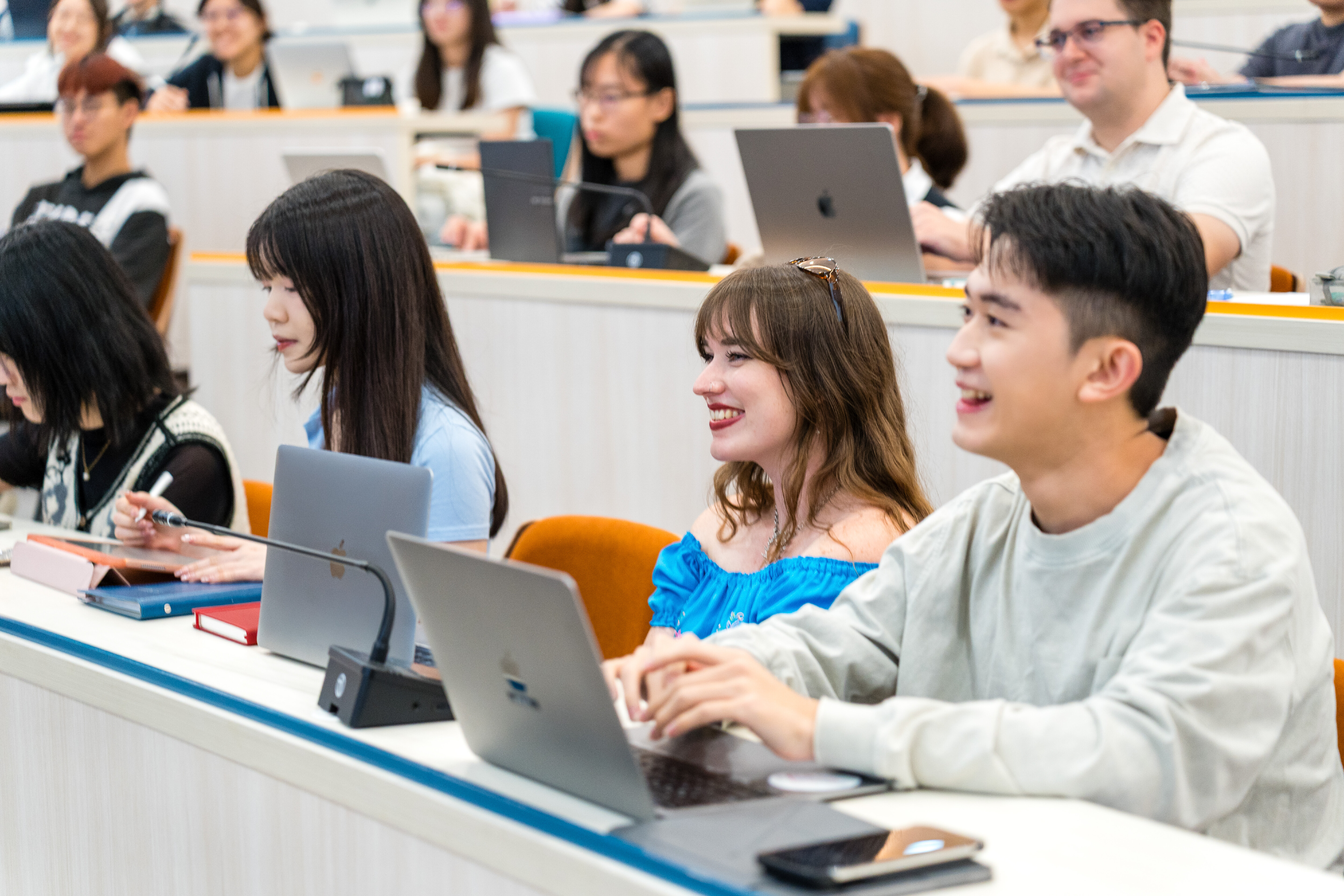
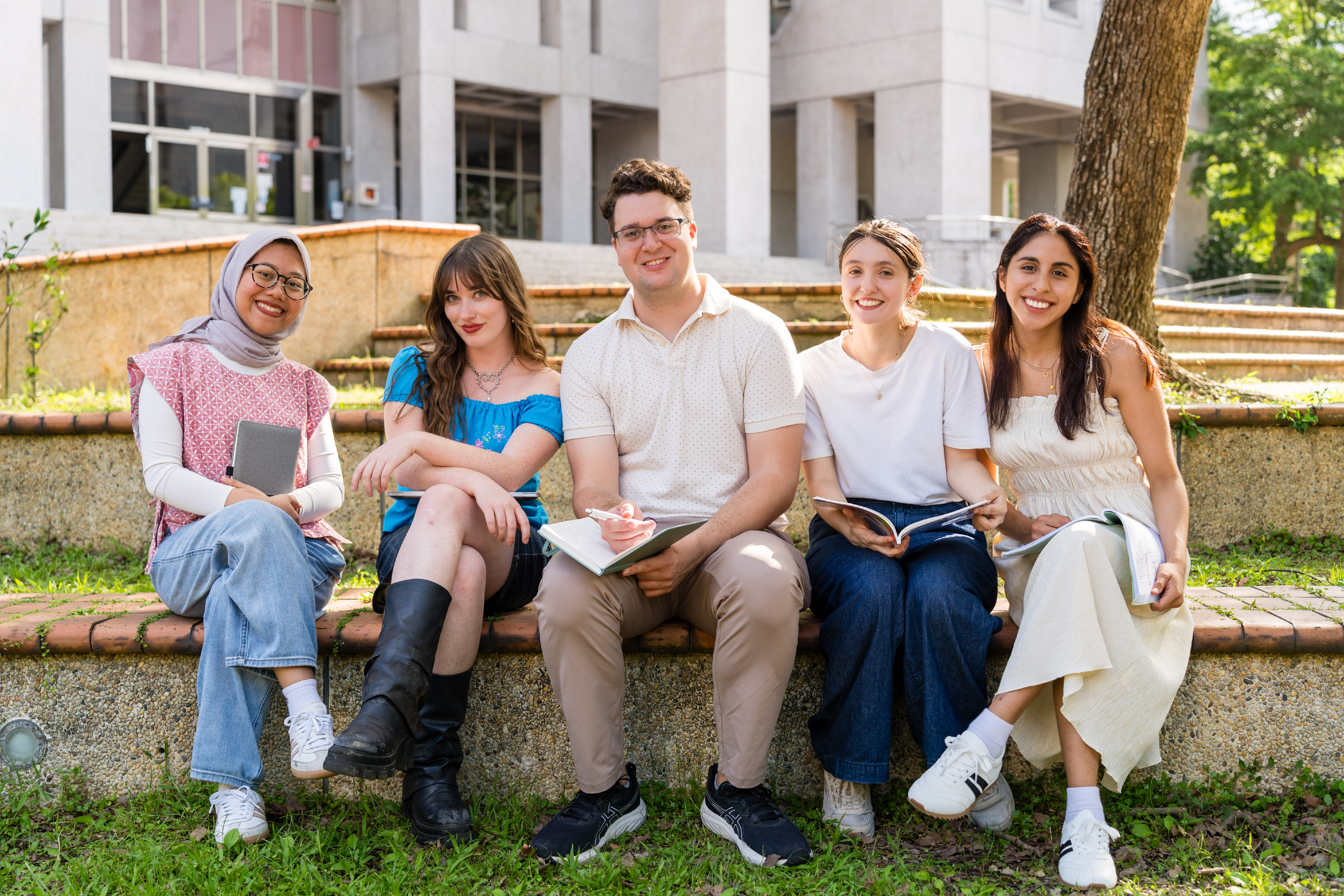
I chose this university because it is the top social sciences university in Taiwan. My Mandarin (Chinese) teacher in New Zealand also knew alumni here and could vouch for NCCU’s good reputation. I chose to enrol in IMAS because I wanted to hone in my interest and specialise my studies in the region. My undergraduate degree was in global politics and human rights, so I wanted to go more specific with regional studies. This was because after I graduated my undergraduate degree, I started working at an organisation called the Asia New Zealand Foundation—focusing on people-to-people ties between New Zealand and Asia. My passion for this interesting region was cemented then. I also chose this programme because I knew it would be a very international programme—and studying alongside people from all over the world is really something special.
The Campus That Authored My Time
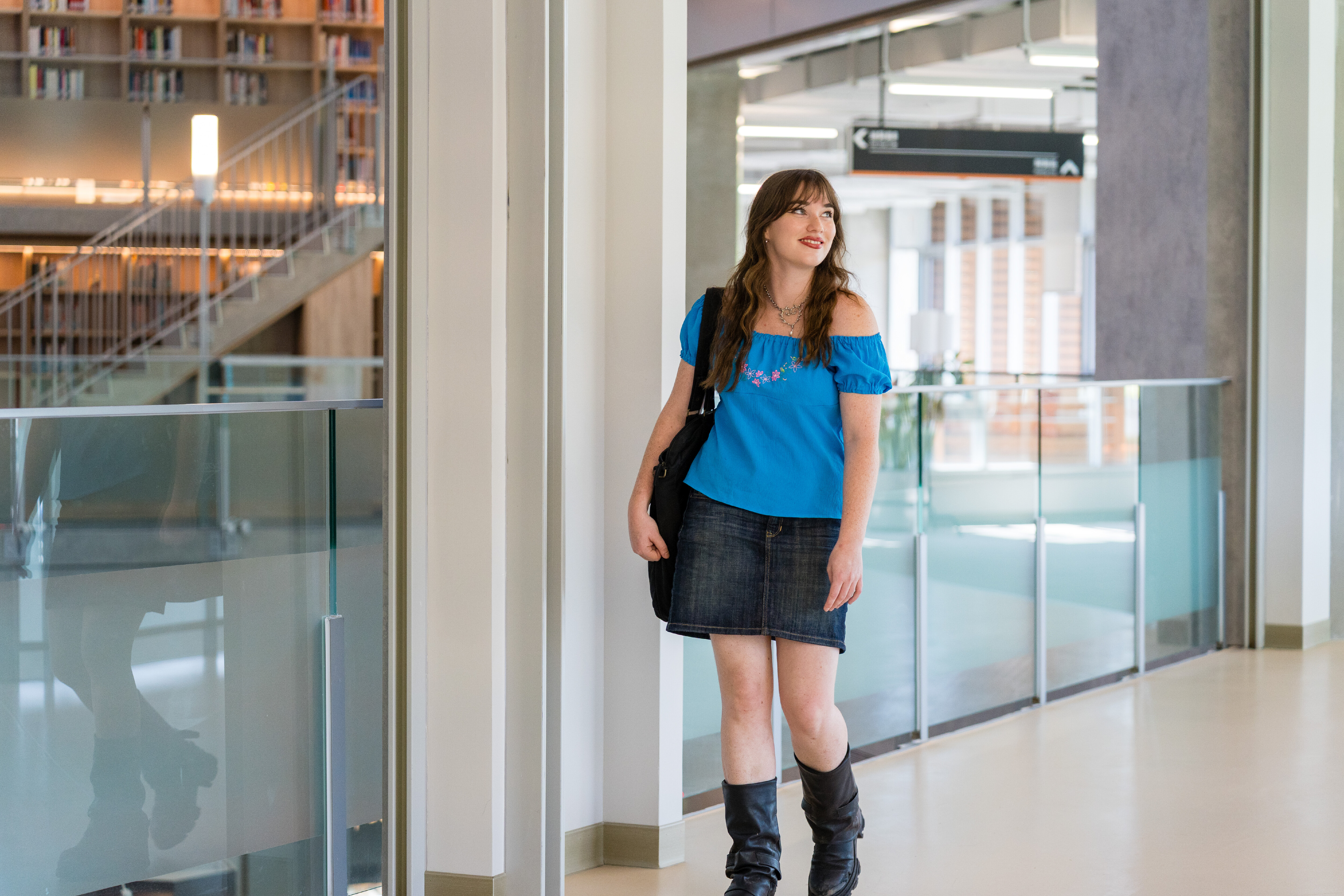
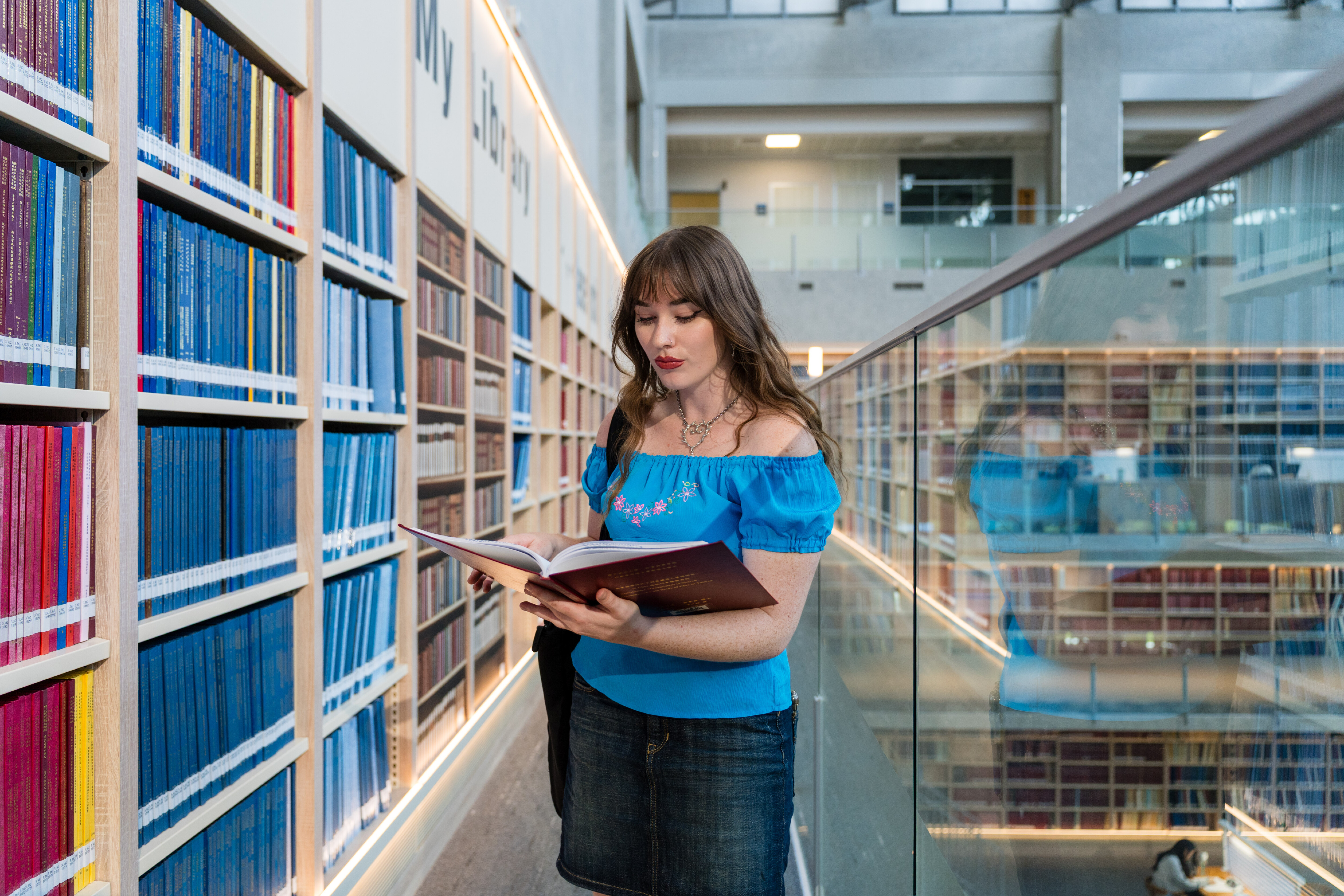
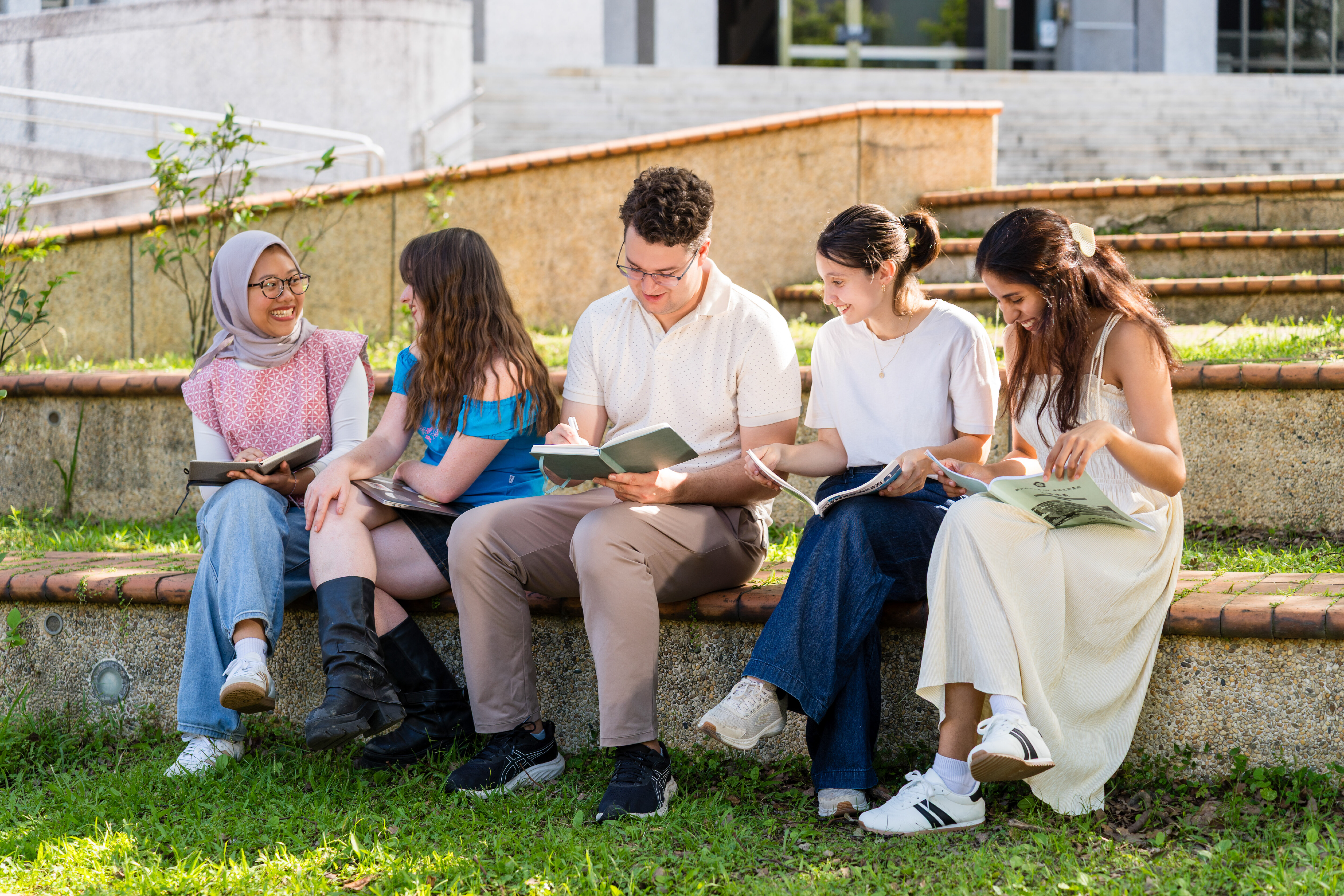
The main additional learning resource that has made my time at NCCU is the Da Hsian Library. This library is the most wonderful learning environment I have ever experienced. It is so beautiful, quiet, and peaceful. I have written countless things I’m proud of in those walls—and it has really authored my time on campus. Every time I call people from back home while sitting on the grass around the pond, they are in awe at my university campus.
My university is far more naturally beautiful than you think. Before coming here, I didn’t realise how close NCCU was to nature—Maokong is literally in the backyard. Studying here has made me more interested in hiking and camping and experiencing the great outdoors. It is also far more renowned than you think. Before studying here, I didn’t grasp the full extent of NCCU’s reputation in Taiwan. I’ve met several Taiwanese students here who have chosen a degree they aren’t passionate about, just because it would get them into NCCU. That makes me feel so lucky for studying here—knowing so many others are making sacrifices to do so.
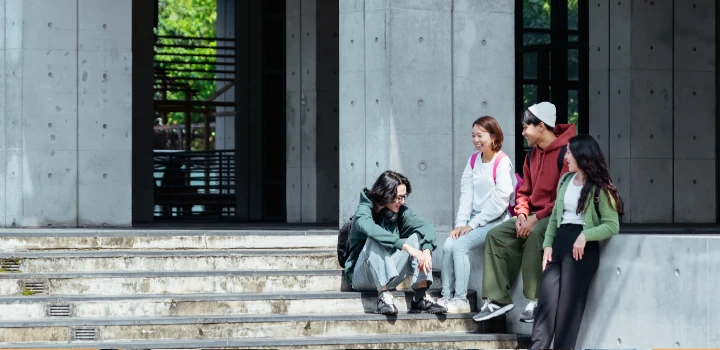
Furthermore, the campus is far more vibrant than you think. At NCCU, there’s always a festival or market going on. Compared to universities in New Zealand, this is really remarkable. This sense of 熱鬧 (a bustling, lively atmosphere) is really cool to me.
Indigenous Connections and the Student Community
In Taiwan, I have done some really cool things so far. I have helped out at an Indigenous knowledge conference bringing together scholars from all over the world and ran in the crazy event ‘rolling ball’ at athletics day. I have spent time interviewing interesting members of NCCU’s student community and writing profiles about them for the website, alongside publishing articles every month on a unique part of student life or life in Taiwan more generally. Academically, I am currently working on publishing one of my papers with a professor here, and I have made an effort to travel to most places around the island.
In my class about Taiwan’s Indigenous Peoples and Decolonisation, we went on a field trip to Nanzhuang Township to learn about the Atayal way of life—focusing on sustainable logging and Indigenous modes of development. It was an incredible experience where I learnt so much—not just about this community, but also about my own home country, given the interesting parallels between Taiwan’s Indigenous people and Māori in Aotearoa New Zealand.
Learning Mandarin Through Life
The most challenging part of learning Mandarin for me is brushing up my foundational knowledge. I decided not to take part in the Mandarin language classes because I do not want to focus on writing. But that means I learn the most in daily life. What really helped was the casual Mandarin conversation programme run by volunteers in partnership with the university. This is great for me because it feels casual—sitting down with my lovely teacher every week and just chatting. I want to learn through life, and this initiative helps me do that.
Connecting Voice to Passion
I am considering staying in Taiwan for my future career. My study experience has led me to become more passionate about this island and all of the colourful life that happens on it. My experience writing for the Office of International Cooperation has made me more curious and excited to learn more and write more. I am connected to a couple of other international writing publications where I can share my curiosity about Taiwan with the world. Telling stories about the things that matter in Asia is how I would like to connect my voice to my passion.
Given this interest, for now I am most interested in the world of international journalism in Taipei. Alternatively, I would like to re-enter the world of track II diplomacy—focusing on how people-to-people relationships connect the world.
This website stores cookies on your device. These cookies are used to collect information
about how you interact with our website, which allows us to enhance your browsing
experience, analyze site usage, and improve our marketing efforts. By continuing to use this
site, you agree to our use of cookies. To find out more, see our
Cookie Policy.
Necessary cookies enable core functionality such as page navigation and access to secure areas.
The website cannot function properly without these cookies. These cookies can only be disabled by changing your browser preferences.
Analytics Cookies
Analytics cookies measure the usage of our website.
We use Google Analytics that gives us insight into how
many visitors come to our site and which parts of our
website visitors find most interesting. These analytics
enable us to continuously improve our website for a
user-friendly experience.
Marketing cookies make it possible to share the content
of our website through social media and help us with
marketing efforts. For more information, please see our
Cookie Policy.
Some cookies may need to be opted out directly from the service provider. Please
follow these links for more information: